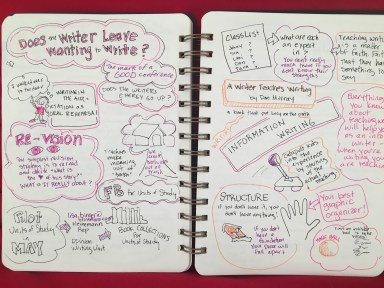
In the last two years I have been trying something different when I attend conferences and sit through PD sessions. I used to take copious notes, first by hand and then on my computer. I got really good at dividing my attention with keyboarding and listening (I thought). I had pages of notes/scripts/ outlines.
And I never revisited them.
I asked myself, “What was the point?” Were they helping me to focus AS I was listening and participating-well, the research supports the use of handwritten note taking much more than the keyboarding. Researchers, Pam Mueller and Daniel Oppenheimer note in their piece The Pen Is Mightier Than The Keyboard , “…there are two hypotheses to why note-taking is beneficial in the first place. The first idea is called the encoding hypothesis, which says that when a person is taking notes, “the processing that occurs” will improve “learning and retention.” The second, called the external-storage hypothesis, is that you learn by being able to look back at your notes, or even the notes of other people…”
Well, the ‘external-storage hypothesis’ certainly wasn’t applying to me. I might have been doing some minimal processing to ‘encode’ when I wrote my notes by hand, but more than likely I was simply transcribing and not not conceptualizing the information. So I started looking into other ways to help me not only PROCESS the information better at the time, but also that would invite me to revisit the information again in the future.
I have found TWO methods that have been so much more useful to me. One involves some technology, the other-a good old fashioned approach.
“Take a Picture, It’ll Last Longer!”
Sometimes I just want to soak in the lecture or information being shared in a presentation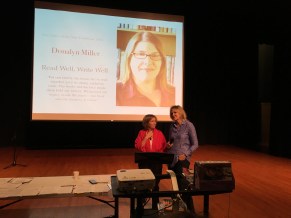 by the gurus and peeps that I admire, and I don’t want to divide my attention between writing and listening. So I pull out my iPhone and just start clicking. I choose slides that are meaningful and take a picture so that I can reflect on it later. Occasionally I make short video clips that I can review and reflect on. I am very mindful that this is the intellectual property of the presenter so I keep it for personal use only. Generally, I create a google photo album and add some notes later if I want to add that information. I can then scroll through and remember much of the presentation.
Just doodle your best!
The second approach I have been using for a few years now is sketchnoting. It goes by other names: doodling, visual note taking, or even scribbling. We used to ge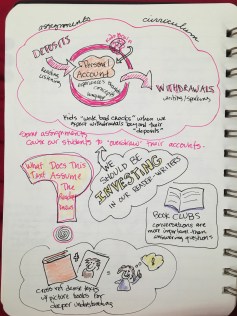 t in trouble for it in school and now it is “A THANG!” I was apprehensive to try it at first, using many of the same responses I hear now:” I can’t draw! I wish I could do that! I’m not that creative!” But I knew I needed to try something different if I ever wanted to maximize the learning and concepts from the notes I took.
At first I just used boxes and bubbles to cluster ideas or highlight thoughts. Then I started trying to visualize the information and think about how I could capture just the important “stuff”. I think in terms of metaphors and analogies a lot, so I wondered how I could incorporate those into my sketchnotes.
I read Sunni Brown’s book The Doodle Revolution and saw her TED Talk. I dove into Mike Rhode’s book The Sketchnote Handbook and Wendy Pillars’ Visual Notetaking for Educators.
Then I discovered a motherlode of resources online. Just google Sketchnotes or Doodling or Visual Notetaking and you’ll be amazed at the plethora of sites and sources. It could be easy to be overwhelmed. My advice? Google “sketchnotes by students”to look at doodles that exemplify the basic concept of visual notetaking: turn big ideas into a visual representation that helps you activate schema, make connections, draw conclusions.Or start with this EdCollab session by Tanny McGregor and Shawna Coppola. (teachers who walk the talk!)
 You are not creating an artists’ notebook. You never have to share your sketchnotes with anyone! But I encourage you to just try it! Do it in the privacy of your home as you listen to a TED Talk or watch a YouTube video on a topic you want to learn about. Nobody will be watching. Nobody will care! See if you notice a difference in your mindfulness, your focus, your thinking.
Then think about how this type of notetaking might help your students. How can they visualize key concepts and ideas? How can they translate mounds of information into a cohesive, meaningful, and retrievable message? Think about how powerful it would be to get a glimpse into their thinking, rather than observing their ‘secretarial skills’ as they take notes. Imagine the level of engagement for this type of activity. I’m not saying it’s a magic bullet, but it opens up a whole new world of possible!
You can check out my PADLET of Sketchnote Resources here.
C’mon…join the Doodle Revolution!
What’s On My Book Radar?
 This week I’ve been doing a lot of professional reading. I’ve been a big fan of Angela Watson’s The Cornerstone for Teachers website and I absolutely love her book Awakened: Change Your Mindset to Transform Your Teaching. We have heard a lot about mindset thanks to the work of Carol Dweck, but Watson hits on some key concepts for helping teachers deal with so many issues that cause burn-out. Though she takes on a more religious/spiritual aspect than most professional books do, it is also grounded in common sense and purposefulness. If you are feeling frustrated, burned out, or want to head off those feelings, you might want to check out this book. While you are at it, I encourage you to visit her website as well.




 until they learn otherwise.
 As Brave as You by Jason Reynolds
 You love books. You talk books. You share books. So what do you do when you can’t contain your booklove? You hold a book bonanza!

 GOOGLE SLIDES
  BIBLIONASIUM
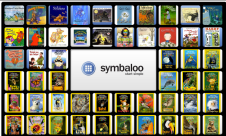
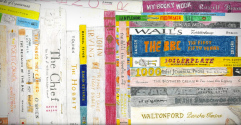
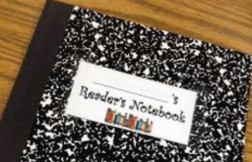 READER’S NOTEBOOKS If your goal is that students will think deeply or differently about what they read, provide them the space and time to respond to what they have read in meaningful ways. Let them design a Reader’s Notebook that reflects their unique reading identity. Collect samples and discuss purpose, and then let students make them their own. Sure we could assign questions or formats, but these self-designed notebooks can give us a lot of information about how kids see themselves as readers, how they reflect or don’t,
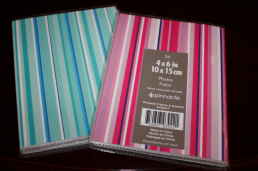 ‘PHOTO’ ALBUMS – Students use an index card or 4×6 sized paper to recreate the book jacket or create a mini-poster for their book on one side. Flip it over and rate it, review it, summarize it…on the other. They can even write the date they read/finished it. Slip the cards into a $1 4×6 photo album to keep a collection of book memories.
 BOOK BUDDIES -If you want to build a reading community that talks about books and their reading lives, build time in your day for kids to do that. One idea is that each morning kids meet with a ‘Book Buddy’ (could be same buddy each day for a week or so or rotates) for 5 or 10 minutes to discuss what they read outside of school or the previous day in school. Readers could mark places in the book or jot ideas they’d like to share. Some suggested sentence stems:
 litcoachlady