I love when a professional book comes along that embraces my philosophy and passion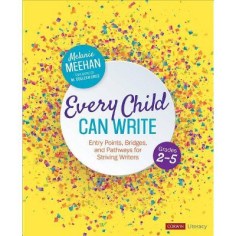 for writing with students. I was lucky enough to get an advanced copy of Melanie Meehan’s upcoming book Every Child Can Write from Corwin. One of my biggest beliefs is that there should be a place at the table for all writers and we as teachers have the power to create that space.
As part of the BLOG TOUR for this book (Stop 1, Stop 2) I wanted to focus on Melanie’s insights into environment. As she states, “Environments matter. Instruction and learning happen within environments, and it’s our job to set them up to be as conducive to achievement for everyone as we possibly can.” She shares a message from her 4th grade teacher friend, Missie Champagne, who told her class, “Everything in this room is made for you or by you.” Imagine how empowering that message is for students to hear, that this room is personalized for you! The intentional choices we make to set up our environments might not be obvious to every child-we need to help them see that this space reflects and reinforces the learning and the goals we have for success.
Melanie has 3 big ideas for environment:
- Striving writers benefit from an organized environment, and they need routines in order to maintain that organization.
- Our classroom spaces should contain only materials that foster student learning and independence.
- The more we create, provide, and encourage the use of tools for independence and repertoire, the more learning will happen in our classrooms.
She then meticulously shares ideas for how to set up the environment and create routines that help our students move toward greater independence. She shares tips on how to reduce clutter, maximize the physical space for working, and how to choose materials and tools to promote more self-directed learning.
She really encourages us to look at our classroom through a different lens. Do our spaces reflect our priorities? Would someone be able to recognize our recent learning emphasis? Does this help students learn? Do students know how to use this? DO they use this? So often we see ideas in other classrooms, on social media, or TpT and wonder if we should try it. Being reflective and intentional in what we want our students to learn and do will guide our decisions regarding environments, and Melanie’s book can help you to become more reflective and intentional.
She also has a chapter on routines that can help you be just as reflective. She has examined some of the roadblocks to independence that inhibit writing and offers some support for teachers.
Melanie has 3 big ideas for classroom management and routines:
- Transitions work best when everyone gets to where they belong during instruction and independent writing time.
- In order for instruction to be effective, students must not only listen to it, they must understand it.
- Independent writing time should involve independent writing.
Now you might look at these and think, “Duh, that seems pretty obvious,” but we know it doesn’t always happen, especially for our striving writers. Melanie offers tips to help involve the students in the set up of routines and expectations as well as help teachers anticipate the inevitable challenges and barriers for students’ success. Teachers will definitely come away with more tools in their classroom management toolkits after reading this chapter.
The rest of Melanie’s book offers ideas and inspiration for supporting all writers with many of the “pitfalls and potholes” that inevitably occur, especially for those students who keep you up at night with worry and concern. She’ll help you establish entry points, bridges, and pathways for all writers to succeed.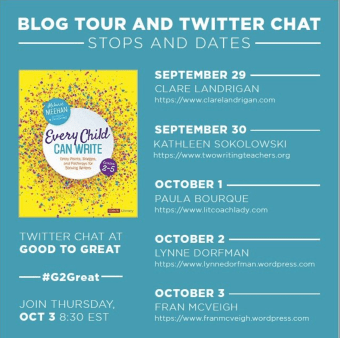
Tomorrow, Lynne Dorfman will continue the conversation as the next stop on the blog tour, followed by Fran McVeigh. Please plan to join the #G2Great Twitter chat all about Every Child Can Learn, on Thursday, October 4th at 8:30 EST,.
For a chance to win your own copy of Every Child Can Write, please leave a comment by October 7th. I will use a random number generator to pick the winner’s commenter number.
Please leave a valid e-mail address when you post your comment so I can contact you to obtain your mailing address if you win. From there, a contact at Corwin will ship the book to you. (NOTE: Your e-mail address will not be published online if you leave it in the e-mail field only.)
If you are the winner of the book, I will email you with the subject line of EVERY CHILD CAN WRITE within five days of receipt. A new winner will be chosen if a response isn’t received within five days of the giveaway announcement.


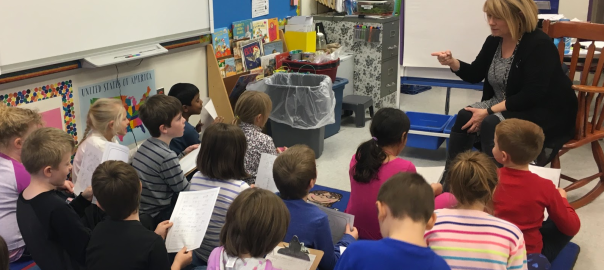
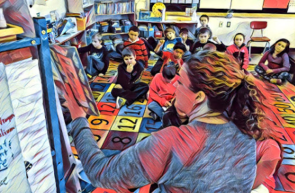
 Every year I work with incredible veteran teachers, passionate new teachers and curious kiddos who can teach me so much. I know learning is a two way street if we drive carefully. This year I’m looking forward to traveling down that two-way street of learning to see how much we can all grow on this journey.
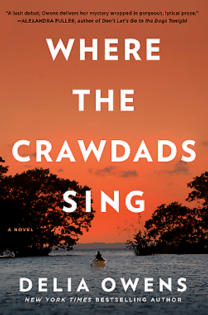
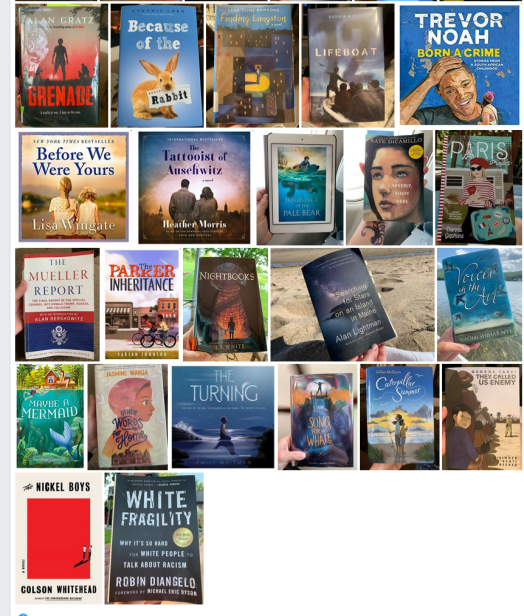 There are too many books to choose from this summer to share only one here (on my END OF SUMMER BLOG) You can see reviews of my summer reads here at my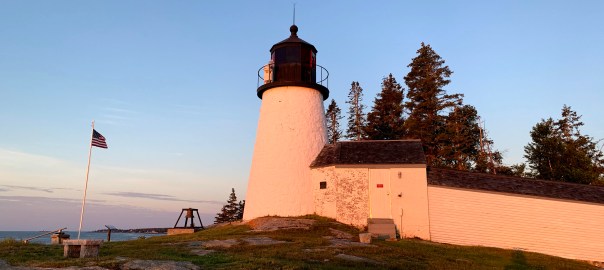
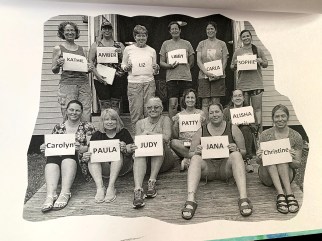

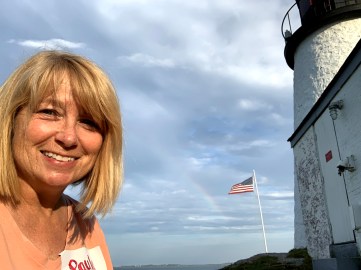
 Harbor, ME. She is a super hero to me. She runs the entire island from the lighthouse, to the keeper’s house, to the educational center she had built there. She designs and teaches the courses for educators and she runs a “
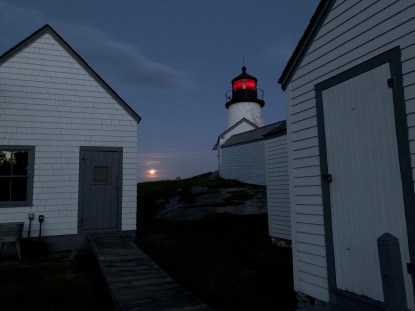 For three days we learned about lighthouses and the lives of the keepers and their families but we also incorporated history, geography, biology, literacy, physics, and map skills (and more). We were immersed in island life and a deeper understanding that could never come from reading about it all. We were given a notebook that filled with our new learning, book recommendations, sketching, poetry, and where we recorded our science experiments. (We even got creative with tempera paints and shaving cream to decorate our covers)
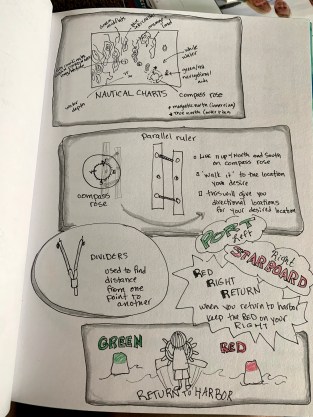
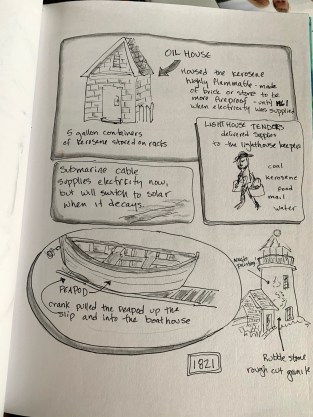
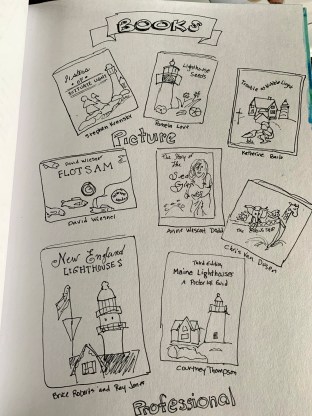
 first course, but it filled too quickly, but I was thrilled with the Lighthouse Course. If you can’t visit, you can use some of the free


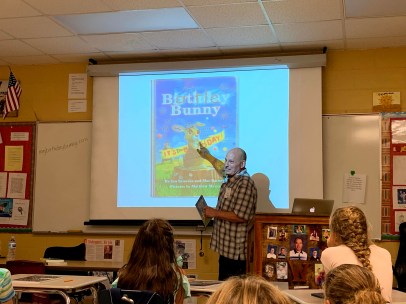 up for mini-workshops with kidlit authors. Each child got to work with 3 different authors, have a pizza dinner, and watch a ‘Draw Off’ with kidlit illustrators. I was a group volunteer who took “Team Ibis” to meet and work with Matt Tavares, Jon Sciezka, and Jennifer Torres. All of this was FREE for these students. Thanks to the work of the nErDcamp team organizing an army of volunteers and truckload of donations!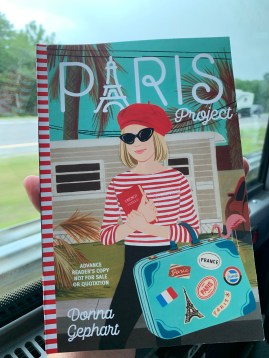



 litcoachlady