Start the Year Off Write

September is the planting season for writing!

All month I have been encouraging teachers to set up writers’ notebooks, to offer quickwrite opportunities, and immerse themselves in a variety of writing activities.  These pieces of writing will be the seeds from which ideas, stories, and topics will germinate and grow.

In our district we offer a writing prompt to all of our K-6 students to help us establish a baseline of writing strengths and needs for our students.  It lets us get to know how they approach writing and what they bring to their writing from previous years.  It is tough to generate a prompt that will inspire and not stifle, engage and not turn off, AND is appropriate for 5 year olds as well as .  Rather than having a single prompt, we generated several options.  We chose a few videos to watch to inspire ideas

K-2

3-6

150-amazing-writing-prompts-pictures-77-638

We offered two different pictures for our K-2 students and asked them to write a story that goes with one of these.


150-amazing-writing-prompts-pictures-71-638

We offered two Shel Silverstein poems for our 3rd-6th grade students, asking them to write a story inspired by one of them.

poetry-by-shel-silverstein-7-638 silverstein.1

And finally we offered them the greatest choice of all-an original idea of their own. We wanted to send the message to our students that ideas come from so many places-what we read or see or touch can be an inspiration for writing. So far the writing pieces have been thoroughly entertaining and enlightening!

Some writers’ notebooks are filling with dozens of seeds waiting for the gentle watering that will come with daily mini-lessons, writing conferences, and revisions. These early sprouts are so fun to look back on at the end of year “harvest” to contemplate the almost-miraculous growth.

I hope that you are all off to a wonderful school year, and busy planting those seeds each day.  If you need some inspiration for launching writers’ notebooks or nurturing those tender shoots, head on over to my friends’ blog The Two Writing Teachers. There are actually more than two amazing teachers who contribute to this blog: Stacey Shubitz, Anna Gratz Cockerille, Betsy Hubbard, Beth Moore, Dana Murphy, Tara Smith, Deb Frazier, and Kathleen Sokolowski have loads of ideas and support to keep your writing workshop engaging and fresh throughout the school year.

Screen Shot 2015-09-18 at 10.42.11 AM

I LOVE this writing prompt idea to help us get to know our students.  Writing is such a personal journey-creating trusting relationships will be key to growing strong writers. What are 5 Things You Want Your Teacher to Know:

What’s On My Book Radar?

The Global Read Aloud is right around the corner (October 5).  I thought this month would be a great time to read some of this year’s selections.

cropped-cdh27ovviae2x3g

This week I read CHOPSTICKS and FISH

Chopsticks

Author Amy Krouse Rosenthal and illustrator Scott Magoon created a fun story about two chopstick friends who must face a challenging time of trying things without each other. If you are trying to encourage independence with young kids, this would be a great text to start that conversation.

Fish: A Novel

A middle grade novel of bravery and perseverance! When a boys relief worker family must flee a war torn country a young boy rescues a fish from a drying up puddle. He takes this fish on their treacherous journey and discovers small miracles can happen. Beautifully written by L.S. Matthews.

Just got the YA Novel Yaqui Delgado Wants to Kick Your Ass.  Not sure I’ll be reading that one aloud to my elementary students, but the title has me hooked!  Hope you find some of these titles to read to your students next month!  They are wonderful!!!


Happy Reading

Remodeling Libraries with Windows and Mirrors

decor-mirrors-8-rustic-wood-windows-decor-ideasI was at the 2014 NCTE conference when I first heard a panel talk about literature as windows and mirrors. Mirrors are the books that reflect a child’s own life.  The characters look like them and have similar experiences that the child can relate to.  Windows are books that allow a child to see into the world of another and shed light on those experiences.  We need to make sure our libraries have plenty of both.  When I look at my own personal library, I realize it is in desperate need of a make-over!

As teachers we are often the gatekeeper to our students’ reading options.  What they choose to read is often limited by what we have to offer. Sure, some kids come from homes with plenty of books, but many of our students rely on our classrooms or our school libraries for their reading diets. It’s important  that we make sure we are offering a balanced diet! We have to make sure we aren’t simply choosing the books WE like to read, but constantly keep in mind what our students may want to read-or would be helped by reading.

Mirrors

When you look around your classroom you can see the diversity of race, gender, socioeconomic status, disability, culture, etc.  Some classrooms are more diverse than others!  But when you look at your classroom library do you see that diversity reflected? Could every child in your classroom find him or herself mirrored in the  books of your room? Many kids don’t “feel invited to the party” when they don’t see themselves reflected in the literature.  We want to invite them into the world of books, but they need to feel like they belong there.  We need more mirrors!

Windows

Our world is getting flatter (global playing field is being leveled a great deal by technology and connectedness).  Our neighborhoods are changing and schools are becoming more diverse. We want our students to see into the lives of others through the books they read.  We want them to develop empathy, understanding, and compassion that will break down bias and discrimination.   Kids need books with strong characters- with a variety of color, culture, genders, and (dis)abilities. Who could read Brown Girl Dreaming without gaining insight into growing up ‘brown’ in the south?  Who could read Out of My Head or Wonder without crushing any preconceived notions of disabilities? Books allow us to walk in the shoes of others.  We need more windows!

weneeddiversebooks-logoWhy?

In essence, we need diverse books.  There are movements and websites devoted to this movement.  Just search Twitter with  and you’ll find many reasons why our libraries should be more diverse.  Here are 10+ reasons why I would love all classrooms to diversify their libraries. (There are probably as many reasons as there are people!)

DIVERSE BOOKS:

  1. Build empathy.
  2. Expand our worldview.
  3. Give us new ways of thinking about issues.
  4. Invite everyone to “the party”.
  5. Help the marginalized to be seen.
  6. Inspire us to tell our own stories.
  7. Reflect the reality of the world.
  8. Help kids envision who they can aspire to be.
  9. Affirm that we are all important and valued.
  10. Combat ignorance.

BONUS: They add beauty to our lives!!!

So as you organize your libraries this year and consider what new books you would like to add to your collection, you can diversify by looking at the faces of your children. Which books would be MIRRORS and which would be WINDOWS that represent each of those precious souls?

To get you started you can use some of these lists:

What’s on my Book Radar?

Fitting with my theme of diversity, I found two books this summer that deal with welcoming immigrant students into our classrooms. I love them! Our district has had a large influx over the years and I think their presence has enriched our schools immensely. These stories may help foster greater empathy and understanding for just how difficult that transition may be for many of these kids.Name+Jar+CoverThough not new (2003) Yangsook Choi’s book is still very relevant, and beautiful. Unhei has just moved with her family to the U.S. and realizes her name is difficult for others to say (Yoon-Hey). Her classmates create a name jar filled with “American” names for her to choose from.  Unhei thinks a lot about the importance of a name and decides upon the perfect name for herself.

158089612XAnne Sibley O’Brien’s compassionate story follows three immigrant students as they try to assimilate into a new country and new school. Maria is from Guatemala, Jin is from Korea, and Fatima is from Somalia. This book would be an incredible window for elementary students.  Things that we take for granted each day in school, are often challenges for immigrant students.  What a wonderful mirror this book would be for these new students as well!

Happy Reading!

Helping New Teachers “Move In”

WelcomeSome schools are already back in session, here in Maine we have a few more weeks.  All across the country new teachers are walking into schools and taking their first baby steps into the most rewarding career/life I can think of.  In my district we nearly always have a dozen or so new hires each year and as a literacy coach, I try hard to help them feel comfortable and welcome before I ever begin to talk curriculum.

I’ve mentored many new teachers and as I watch them set up their classrooms, engage with the staff, and prepare to meet their students I am in awe of their enthusiasm, creativity, and courage.  We are so lucky when our schools are bestowed with this infusion of positive energy.  How can we best welcome them, support them, and embrace the gifts they bring to us?

I compare their arrival to helping someone move in to a new home.  We need to first remember they come with many, many things and may just need some help with the heavy lifting. They are probably pondering where to settle all the ‘stuff’ they brought along with them before they even think about acquiring more. They may not need 5 toasters (stacks of lesson plans, bulletin board ideas, teachers’ guides, etc.).  They may have more modern appliances than we have to offer (cutting edge lessons, digital tools, social media, etc.) They may not know what they need until they have a chance to unpack and organize. In our zest to be kind and supportive, we may not be helpful – if we don’t know what it is they need for help!   So the best thing we can do is…

Listen.

Listening is one of the most generous acts we can offer others.  We are giving our attention and our time which conveys the message, “You are important.  I care about you.” We can introduce ourselves and then invite them to do the same.  A few questions/prompts that might start the conversation before the school year begins could include:

  • How is it going?
  • Welcome! What brought you here?
  • How was your summer?
  • What are you wondering about our school?
  • What are you most excited about? Nervous about?
  • What would you like to accomplish today?  This week? Before school starts?

As we listen, we can tune in to what it is that could be most helpful.  We can give them an opportunity to voice their thinking-this often leads to deeper thinking and even problem solving on their own. How often have we started talking about something and found that just processing our thoughts has provided us with greater insights?

When we jump in too quickly to offer advice, give ideas, and fix problems we can easily intimidate new teachers.  We all have experienced doubt when venturing into new territory-“Am I up to this?” “Do I know what I’m doing?” “What if I’m not good enough?” When we listen to others and provide support that reflects our confidence in their ability-we are sending the message, “You’ve got this, and we are here for you whenever you need us.” Then we can roll up our sleeves and continue to listen as we help them unpack!

Once the school year begins…we can continue to listen.  We don’t need to rush to offer advice when they share their “failures”.  Letting them talk out these situations with someone they don’t feel is judging them, will again give them opportunities to learn and grow.  Invite them to reflect:

  • “What did you do?  How did that work?”
  • “What were you thinking?”
  • “What are you thinking now?”
  • “Is there anything you need?”

Encourage them to share their “successes”.  Too often we tend to perseverate on what didn’t go well and subsequently forget the dozens and dozens of things that DID work well. We want to encourage repetition of the positive. Success breeds success!

  • “What went well today?”
  • “Why do you think that worked so well?”
  • “What did you learn from that?”

Listening is easier one-on-one. It’s harder in the teachers’ room or in a staff meeting.  Well-intentioned (and sometimes not so well-intentioned) advice is often tossed out in large doses.  We can be mindful about how quickly we rush in to warn about, prevent, or fix issues for new staff.  We can invite them into the conversations and encourage them to share without judgement.

school-doodle-back-to-school-background-texture-35236672

We can encourage them to listen to themselves! I like to give new teachers a journal.  I tell them, “You think you’ll never forget this first year…but so much of it you will. Make some time for yourself to write some of it down.”  Sure, writing captures memories, but there is a growing body of research on writing to learn and as a vehicle for discovery.  As we put our ideas down on paper we are thinking more deeply about them.  Which ideas are ‘important’ enough to write about?  How do we choose to frame that idea?  What am I thinking about as I write it?  We don’t need to write it as a narrative or a diary.  We can ‘doodle‘ our day much more easily to help us focus and think more creatively!  (I’ll talk more about the power of doodling in future blogs!)

Sure, there are MANY things we can do to welcome new teachers (chocolate being very HIGH on that list) but I strongly encourage each of us to start with the gift of listening.  After that the other gifts we offer will almost certainly be the right “size”!

What’s On My Book Radar?

I just finished one of our Maine Student Book Award (MSBA) nominees that I think kids are going to LOVE!  IMG_0041Jaleigh Johnson‘s Mark of the Dragonfly is a fantasy novel about a scrappy orphan (Piper) who saves a young girl (Anna) after she is injured in a meteor shower.  She discovers the girl has a dragonfly tatoo that signifies she is protected by the king.  However, the girl has no memory and they soon find they are being pursued by a man they call “the wolf”.  They escape by stowing away on a train and an adventurous journey begins. Wonderfully strong characters, imaginative settings, and a compelling plot make this a fun read!

HAPPY READING!

Share Our Book Love!

I love books.  I love reading.  I love so many authors.

z-Middle-Grade-Book-PileSometimes this is referred to as Book Love (thanks for that term, Penny Kittle).  Many of my friends have Book Love, too.  How do I know?  Because they share it!  Sometimes in person, but more often on social media. There are Facebook posts and groups.  There are Twitter chats and hashtags.  There are Instagram pics and Vine videos.  I have surrounded myself with Book Love.

I try to share my Book Love as well as receive it (A huge thank you to my Nerdy Book Club friends).

Last week one of my favorite authors, Gae Polisner, (The Pull of Gravity, The Summer of Letting Go) reminded me, as I read her blog, about the importance of book reviews to authors. Click below.

Tuesday Feedback: A Little Conversation about Book Reviews Starring YOU

Her message was that authors need us to keep them in the public eye.  Sharing our favorite books on Instagram, Twitter, Facebook, or Tumblr will inform our friends and followers.  But how can we expand our Book Love beyond our relatively small circle?  How can we support those authors we love so they can continue their writing careers and bring us even more Book Love??

Our reviews on sites like Goodreads will certainly expand our influence and love, but sites like Amazon have a much stronger impact for sales of books.  THAT is the ultimate way we support our favorite authors.  Love a book?  Let others know!! Don’t know how to post an Amazon review?  Go here.  Don’t worry about sounding like an editorial reviewer from Kirkus, New York Times, Booklist, or School Library Journal. The length and quality aren’t as important as the willingness to do it! Here are a few quick tips for posting reviews for the books you love!

  • (This book) is about brief synopsis (but I think it’s really about)what it means to you. (Your review  doesn’t require a complete retelling-editorial reviewers have already done that! What is this book about for YOU?)
  • If you like_____________this book is for you! Who would like this book?  Who would be a target audience? Why would they enjoy it?
  • I really liked ______________ . Were the characters compelling?  Was the writing engaging?  Was it humorous? Suspenseful? Realistic? Heartwarming? Mention one or two things about the book that made it memorable for you.
  • Mention the author’s name (and illustrator).  Remind readers of the person behind those words who pounded out that plot, those characters, that dialogue, those facts and worked their bums off. Books don’t just happen, someone dreams them and brings them to life-we need to honor that!

THAT’S IT!  Sure you could do more or less.  You could write a review any way you want. Check out how kids do it at The Spaghetti Book Club! The big idea isn’t HOW?…it’s WHEN?!!  When will you take a few minutes and go to the independent or big box bookstore or  the website where you purchased your copy and leave a quick, but important review?  We want to keep this authors “employed” and creating the books we love!

What if I can’t afford to buy the book?  No worries.  I try to be a book patron as often as possible, but my local library knows me by my first name.  I check out dozens and dozens of books a month.  I always make sure to tell the librarian about the books I love the most and that ensures they’ll be recommended to other patrons.  I’ve also been known to leave a post-it note or note card sticking out to grab readers’ attention, “Hey!  You should check _______ out!  You’ll love it!”

So now that you’ve read my soapbox spiel – click on over to Amazon and post a review for one of your favorite authors!  They deserve it!

What’s on My Book Radar?

These two books are my contenders for Caldecott and Newbery awards so far!  Both are brilliant and imaginative.

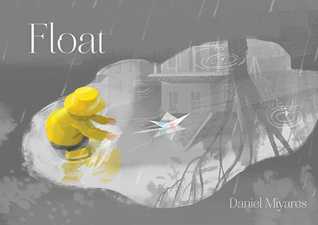
23309640A little boy creates a boat out of newspaper and takes it out for a day’s adventure.  When the boat rushes away and down a gutter he goes on a hunt for his beloved boat.  I won’t tell you what happens-you’ll have to check out this gem for yourself.  I was so reminded of Ezra Jack Keats’ work as I savored this amazing book by Daniel Miyares.

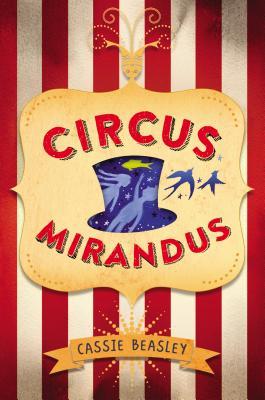
23281919Cassie Beasley’s debut novel is like a cross between Water for Elephants and Charlie and the Chocolate Factory-it’s FANTASTIC!! Micah’s grandfather Ephraim is on the verge of death and has shared with Micah his mysterious tales of Circus Mirandus.  He offers that the Lightbender from the circus owes him a miracle, and so Micah is determined to find the man he believes can save his grandfather.  This would be a fantastic read aloud in any middle grade classroom and a perfect gift for anyone who would like a little more “magic” in their lives!

HAPPY READING!

Virtual Summer Camp 2015

When you live in an amazing state like Maine, “Staycations” are a favorite, especially in the summer.  Winters are long here, and we often don’t want to give up a single day of our Maine summers.  Though there were several conferences and camps I would have truly enjoyed going to, I elected to attend them virtually.  Thanks to social media it’s not only possible, it’s easy!

1538725First up is nErDcampMI.  I am determined to roadtrip my way across the coun1621704_667566729951571_1638043617_ntry for this one someday, but the next best thing is following the tweets of my favorite nErDy campers (Katherine Sokolowski, Donalyn Miller, John Schumacher, Cindy Minnich, Teri Lesesne, and Lesley Burnap -among others. Another way to learn along with these campers is by visiting the IDEA BOARD where participants brainstormed topics to explore and archived their notes/resources. Colby Sharp is the amazing educator who organizes this camp and one of the founders of The Nerdy Book Club.  If you love books you can follow the blogs of these nerds and get your nerdy on!

You can see a complete listing of EDcamps at: EDcamp Calendar 2015

summit-logo_0Next up were the Scholastic Reading Summits scattered across the country from Boston, to Austin, to Birmingham and more. Featured speakers included:

Again, I could follow along on twitter with the hashtag #readingsummit or check out these RESOURCES on the website.


ILA_keyhole

Last week was the first summer conference for the newly renamed International Literacy Association  (formerly International Reading Association).  Previously they have held this conference the first week of May, but this year it was summer in St. Louis.  Having grown up in the Midwest, I knew that could be H-O-T!  Twitter was again my go-to entrance ticket to this event!  Following the hashtag #ILA15 I was able to see photos, read quotes, and link to videos. Still looking for notes and resources from this one!

As you can see, you don’t have to go far for professional development. Sure, it’s great to go in person, to experience the camps and conferences with other passionate educators.  But when you can’t, there’s no reason to be left out!  We can be as connected as we choose to be.  I’ll be at NCTE 15, but this summer I chose virtual PD-fun and free!

What’s On My Book Radar

My #bookaday challenge is going great! You can follow my daily reads on Facebook: Book-a-Day Summer 2015. One book I have been recommending to many is The Iron Trial by Holly Black and Cassandra Clare.  Harry Potter fans will find many similarities, as we follow three young mages (gifted with magic) who enter the Magisterium when they turn twelve.  I worried at first it would be too much of a copycat series, but those worries vanished as I was pulled into this adventure.  First of five, I highly recommend this Maine Student Book Award nominee!

11742682_10207434121030917_7611032766984276164_n

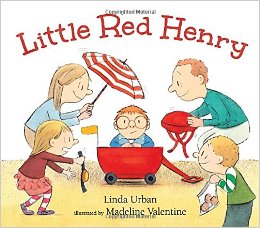
My new favorite picture book is Little Red Henry by Linda Urban!  I love this twist on a familiar story.  Rather than looking for help, Henry is looking for independence…something his family doesn’t seem ready to offer! This will be a fun read aloud for classrooms and livingrooms!

51Hn4CnnKgL._SX258_BO1,204,203,200_


Summer (a.k.a. My Genius Hours)

images
-Jose Popoff

I saw this quote on Twitter this morning  – it sums up my approach to teaching so perfectly.  Even though it is technically vacation, I just can’t turn off my passion or my ‘job’.

For years I heard some very talented and dedicated teachers bemoan, “We never have time to learn about what we want.” It is true, that during the school year professional development is often  aligned to federal, state, district or even school initiatives- that may or may not ignite our passions. This year in my district, we offered EDCamp models during two of our  workshops.  The teachers shared their passions, explored their interests, and were completely engaged.  While there are certainly professional responsibilities, learning, and requirements that must be addressed during school-based workshop days, I will always advocate for more “Genius Hour” opportunities for everyone in our schools.

If you are unfamiliar with the Genius Hour-the approach came from an idea at Google.  They allowed their designers to spend 20% of their time to work on any project they wanted. Because of it we have Gmail and many other innovations. The idea is simple: allow employees to focus on their own passion products and productivity will go up.  Others have followed by offering employees 60 minutes each week to work on new ideas or master new skills.  Many schools are using this approach with their students and incorporating a Genius Hour.  You can see a brief overview of this approach here:

I would love to see my schools explore this idea as an approach for professional development during the school year.  But for now, I like to think of summer as my Genius Hour. I wake up almost every morning with ideas running through my mind.  There are so many aspects of teaching and learning that I am curious to learn more about.  There are so many others that I had never thought of until I had this time to explore!

Creating my Genius Hours

I surround myself with books that inspire and engage me.  I keep them in my car, by my bed, in my beach bag.   I voraciously read picture books, chapter books, YA books, novels, professional books, magazines and articles.  There are post-it notes tacked to dozens of pages that may never be revisited, but those significant ideas are now a part of my collective knowledge.

I use social media to follow passionate educators and authors.  I set aside some time to peruse Twitter and Facebook for posts that inspire thinking and curiosity.  Because I only use Twitter professionally-it is a treasure trove of ideas within a supportive community.  With more “free time” I feel no guilt about random browsing.  Randomness offers opportunity for serendipitous ideas-these can often be the most mind-expanding!

I write!  My blog is one way I write to learn.  This final post actually looks nothing like the 11037905_10154067646782516_5750329657918691438_noriginal. It could have gone dozens of different directions, and morphed several different times as I revised and refined my thoughts.  I keep a journal of my personal life and thinking that provides tangible evidence of my existence.  I will join Teachers Write again this summer and look forward to an incredibly supportive community of writers as I play with my own creative writing. (Click on the image  for more information).  Several teachers in my district also plan to get together and continue our own Teachers Write group that we started during the school year.

It’s a simple idea, with incredible potential.  Do what you love and you will love what you do.  Think of your summers as your Genius Hours.  What interests will you pursue?  What questions will you answer?  What ideas will you explore?

Here’s to many hours of living, loving, and learning!  Summer Genius Hours!

What’s on My Book Radar?

59-reasons-to-writePerfect for any Genius Hour!  This book by Kate Messner is an amazing resource that I find myself revisiting again and again.  This book grew out of Messner’s online summer writing camp, Teachers Write (see link above).  If you are looking to develop a writing habit, I can guarantee you will find even more than 59 Reasons to Write with this book!  I think every teacher of writing will find this book to be one of the most helpful books in their professional library!


Page-A-Day

IMG_7965Once again this summer I am taking on the “Book-a-day” Challenge.  I am so excited to have time to read that I sometimes devour a book in one sitting.  There are so many books and so many authors that I want to explore, the book-a-day challenge helps me to do that.

However, on my run this morning I was listening to a Fresh Air podcast.  Terry Gross was interviewing Jacqueline Woodson.  They were discussing Jackie’s difficulty with reading as a child. Terry asked, “So how did you fall in love with reading and writing if it was such an effort?”

I love Jackie’s response: “You know, I read stuff over and over, and it made deep sense. It – I think what happened was the language settled in me much deeper than it settled into people who just can read something once and absorb what they absorb of it. I feel like what I was absorbing was not by any means superficial, and I think I was – from a really young age, I was reading like a writer. I was reading for this deep understanding of the literature; not simply to hear the story but to understand how the author got the story on the page. And I didn’t know any of that. And my sister, you know, just kind of sailed through reading and read – consumed book after book after book. And here I was reading the same book very slowly, slowly coming to understand it. And looking back on it, I think it was part of what brought me here.”

I thought of myself as Jackie’s sister, sailing through book after book.  It was like an epiphany, I want to take some time to read like a writer and understand how the author got the story on the page. I want to read like Jackie! Then I thought, Hey, I can do BOTH!

So now this summer I will continue my Book-a-Day challenge, but I am going to also going to treat myself to a “Page-a-Day” challenge.  It might be a page from a book I am reading, a page from the newspaper, a page of poetry, a page from a book I know I “should” read but never will. I will closely read this page the way Jackie did..very slowly, slowly coming to understand it. I will try to understand how the author got the story on the page.  I will read like a writer.

So I will take some time to savor those words that some author labored over.  An author who played with ideas, revised for clarity, worked hard to make it “just right”.  I want to take some time to notice, to appreciate, to enjoy. I encourage (challenge) you to do the same.

If you are up for the challenge, tweet out your page at #pageaday!

What’s On My Book Radar?

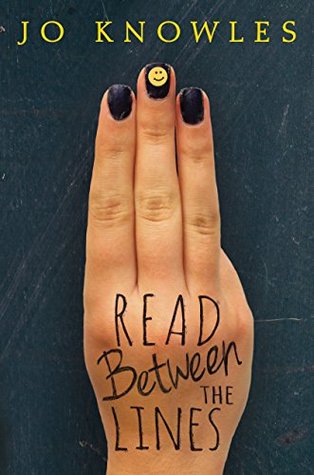
25129897Jo Knowles introduces us to several characters whose lives revolve around a local high school.  The story takes place in a single day, but the complex interactions and intersections of their lives make you feel as though you’ve known them all for a very long time.  People are not always what we perceive them to be, we can find out more if we take time to read between the lines, I’m glad I did.  This book also fits my theme this week of taking the time to slow down and notice.  This YA novel was a quick read, but the characters are still lingering in my mind.

HAPPY READING!

Don’t “Should” All Over Yourself

1338940155_1143_SummerSolstice

As we wind up another school year we often think back on the year that was, and dive into the summer that is.  These transitions are are an opportune time for reflection and planning.  But too often I hear teachers focusing so much thought and energy on what they should have done, (I should have done more with fractions, I should have had the kids write letters to next years class, I should have….)and what they should do this summer, (I should take that class, I should read more professional books, I should…)  These are all great ideas to be sure, but when approached with a should mindset, they seem more like a duty than a choice.

When we find ourselves using this verb we need to give it some thought.  Some of the synonyms for should include: be one’s duty, be compelled to, be forced to, must, and even suffer! Should often implies you’d rather be doing something else! Sometimes should is appropriate, but if we spend so much energy “shoulding on ourselves” we might be missing out on opportunities that truly feed us in more positive ways.

When we hear ourselves saying, “I really should…”, let’s ask ourselves:

  • Why? 
  • Who is this really for? 
  • How will this really make my life or my teaching better? 
  • Are there other options?
  • What would happen if I didn’t?

That might lead to other questions to help us reflect and plan ahead:

  • What worked well this year that I’d like to continue?
  • What could I try next year that would make teaching and learning more rewarding or effective?
  • What would make my summer better for me, for my family, for my community?
  • What would I enjoy doing this summer that would benefit my students?
  • What would feed my personal or professional growth?

We can’t do it all.  We are often very unforgiving of ourselves when we feel we need to do more.  We spend far too little time appreciating what do well. This leads to a shouldy attitude! The best gift we can give our students is a teacher who embraces life as well as learning.  A happy, healthy teacher can offer so much more than a tired, shouldy teacher.

So take time this summer to LIVE! Listen to the birds in the morning, watch your kids splash in the cool water, get lost in a book, stay up too late at a drive-in, roast marshmallows, drive to someplace you’ve never been, write a story, look for sea glass, watch for shooting stars, pick up a frog,  join in a twitter chat, go for walks with your loved one, buy some lemonade at a stand, unplug for awhile, close your eyes and see what you notice, try something you’ve never done before…

Not because you should, just because you can.  Life is full of choices, choose wisely.

What’s on My Book Radar?

51JGg4dJ12L._SX258_BO1,204,203,200_Every once in awhile a book comes out and you think, “What a great idea!”  This definitely falls into that category! Kids will LOVE following these steps for how to read stories, and I can just see the wheels spinning in their heads for creating their own steps!  Kate Messner has such a great range in her writing: professional books for teachers, chapter books for older readers, and picture books for younger readers.  If you aren’t a fan of hers yet, you should be. (Haaa, just kidding…you’ll want to be!!)

Join Kate and some amazing authors this summer for the 4th annual TEACHERS WRITE. As Kate’s site says, “Teachers Write is a free online summer writing camp, especially for teachers and librarians. It’s a chance to practice your own writing in a warm, supportive environment so that you can go back to your students with new ideas and (in many cases) a new sense of empathy for the courage involved in writing and sharing one’s work. We offer daily inspiration and assignments, including mini-lessons, writing prompts, and Q and A sessions with authors whose books you and your students love.

Teachers don’t join this group because they should-they join because they want to connect with some amazing authors and walk the talk!

Happy Reading (and writing)!

10 Questions We Should Ask Ourselves About Homework

1253551691_frustratedHomeworkKid_xlargeEarlier this week a good friend was messaging me on Facebook for help as her son struggled with his homework.  It was nearing 10:00 at night and he was melting down. I could totally relate to her, it was exactly one year to the day that I posted in my  blog about a similar experience with end of year overload and homework. I see this being repeated in homes everywhere and it makes me sad.  In our sincere effort to help our students with extra practice we are turning them off to learning and often poisoning their homelives.

As we wind up a school year, I think it is important to reflect on practice and see what works well, and what we may want to revise for the next year.  I’d like to offer some questions about homework to help teachers make some thoughtful decisions about why they should or shouldn’t be sending work home with students.

1. What is the learning target for this work?  This differs from the activity the student is doing (ex. read pages 55-67 and answer the questions) What are the specific strategies, skills, or knowledge the students will acquire as a result of doing this activity? Do students know the learning target or are they just trying to complete a task?  Their approach to homework will be contingent upon this question.

2. What is your success criteria for this work?  In other words, how will you know they have acquired the skill or knowledge? A completed paper is not reliable evidence since  you do not know who did the work or how it was done. Will there be an opportunity in class to demonstrate their understanding?  How do we truly measure success.  Is it engagement and learning or merely compliance?

3. How can you know who did the work? This relates to the previous question.  There will be a range of students who have no help or well-intentioned “bad help”, while some have parents, friends, or siblings doing the work, (and a wide-range in between).  How reliable is the information you get from this work?  How much weight are we giving assignments that students may or may not be doing themselves?

4. How long will this homework take? Many of us have no idea, but we should.  Some students can knock off assignments on the bus ride home, while others labor for hours.  Students have been in school for six or more hours.  Many are often ‘fried’ by the time they leave school. Some have jobs, or sports, or family commitments that make it extremely difficult to fit it all in.  We should know how long students work on assignments outside of their school day. We are aware of how much work WE do outside of the school day!

5. How does this homework impact the lives of my students? Homework sets up a dynamic in families that is rarely positive.  Parents and children are often at odds about how to do the work, and are frustrated with each other quite easily. Parents may want to help, but do not understand the approach or concepts.  Children often don’t want their parents to be surrogate teachers-they just want them to be mom or dad. Family lives are impacted by the amount of time taken away from them with homework.  Quality time together is frequently compromised because students have work that must be completed. Students are often caught in the middle when the family has plans other than working on school assignments and they stress about pleasing their teacher and their parents.  When we (educators) think homework should come first we are basically telling parents how to run their lives and manage their time.  We don’t want someone to tell us how to manage the time in our classrooms, we should be extending the same courtesy to parents  with regards to their family time. Families have different priorities -including quality of life.  We need to honor this and encourage a well-balanced life for our students. They are only kids for a short time!

6. Does homework really foster time management? I hear this argument for homework proposed frequently.  “Students need to learn to manage their time and complete work.”  This assumes the child controls time factors in their home-they usually don’t.  If assignments take hours to complete they really don’t have any time to “manage” they only have time to work. If this was an occasional task that argument may have more teeth, but if every night the student is struggling to finish their extended day work, this isn’t about management. Parents are the time managers of home life.  We can help students manage their time in school, but should not be setting these expectations for home.

7. How will I handle unfinished or incomplete homework? This is often a huge issue.  The consequence is often a loss of recess.  For some students this means they had no “free time” the previous night trying to finish work and they lose “free time” during their day.  They have no break from the stress of school and begin resenting and resisting learning as a defense mechanism.  Some students don’t care-they refuse to do homework and no amount of consequences will change that.  This sets up a perpetual cycle of punishment that does not shape behavior.  The teacher more likely feels the effect of the punishment in frustration and loss of time during the school day.  Another consequence is often a ZERO for a grade.  So the grade then becomes a reflection of compliance and not learning.  Anytime we give homework, there will be students who do not or cannot complete it.  We need to give some serious thought as to how to handle this in order to achieve our purpose, which leads me to…

8. What is the purpose of this homework? Why does every student need to do a given assignment (or assignments)?  If they don’t know how to do something, why would sending it home be helpful? If they couldn’t “get it” in the most supportive environment possible, how will they “get it” in an environment of unpredictable variables and conditions?  If they already know how to do it and can easily complete it, why did they need to spend time on it? I do not mean to be flip when I say, “Why do they have to do this?” This relates to questions 1 and 2 directly, but to all other questions as well?  Is it worth the time it takes for me to copy it, assign it and grade it?  Is it worth the students time to do something he/she can already do, or struggle with something they cannot do?

9. Will this homework increase student achievement? Homework has been around a very, very long time and yet there is no consistent evidence  to support that it positively impacts student achievement.  While some studies cite a moderate increase (one or two points) in standardized test scores for high school students (mostly in math or science) and no increase in elementary schools, does the one or two hours of work each night justify one or two points on a test? This does not mean that students will never benefit from extra target practice that is designed to meet their needs, but a blanket homework policy of one-size-fits-all is not a silver bullet for student achievement.

10 Are there more effective alternatives that can meet my purpose? Asking ourselves, “How can I best help my students meet the learning target?” Should be the first thing we do.  What happens in our school day with us is often the most effective approach.  The time we take in class to grade or go over homework might better be used for small-group instruction to reteach, reinforce, or practice with those students who need it.  Teachers in upper grades are  experimenting with a Flipped Classroom approach in which students watch lectures or read through materials and then do the “homework” in class with the teachers’ guidance.  Can I narrow my focus or lessen the number of problems to meet my goals?  Can students demonstrate understanding or mastery in a variety of ways other than homework assignments?

I know I will take some heat on this debate, but I don’t mind because my top priority is student learning.  I want students to LOVE learning and make it a life-long habit.  I have seen too many instances where homework does NOT achieve this.  I do not see homework as an “All or Nothing” debate-we need to keep all tools available in our toolbox.  I want us to use it judiciously, mindfully, and purposefully, but if we do not ask ourselves these questions and honestly answer them, I do not believe we are.

I welcome your thoughts, your questions.   Here are some resources on the “Homework Debate”

Center for Public Education

Washington Post

Educational Research Newsletter and Webinar

What’s On My Book Radar?
hattie-big-skyI don’t know why it has taken me so long to read this incredible book!  Kirby Larson is an amazing author, whose historical fiction is compelling and well-researched.  Both of my choices of books this week opened my eyes to the history of our country-this focus on the life of a homesteader was riveting.  I hadn’t considered homesteading during this time period (WWI) and loved how she wove the war, prejudice, technology, and human relationships into a beautiful story.  I just got Hattie Ever After from my library to follow her journey!

26childrens-1-master180I was stunned when I read this historical account of African American servicemen during WWII.  I knew there must have been racism and segregation since this was long before the civil rights movement, but this story made it vividly clear. I was surprised I hadn’t heard of this episode of history  before, but I think this is a “must read” for middle and high school students.  The irony of serving a country that does not respect you must have been agonizing for these men.  It’s a part of history that we must acknowledge and honor.

What’s on YOUR book radar?

Back in the Saddle

IMG_7046
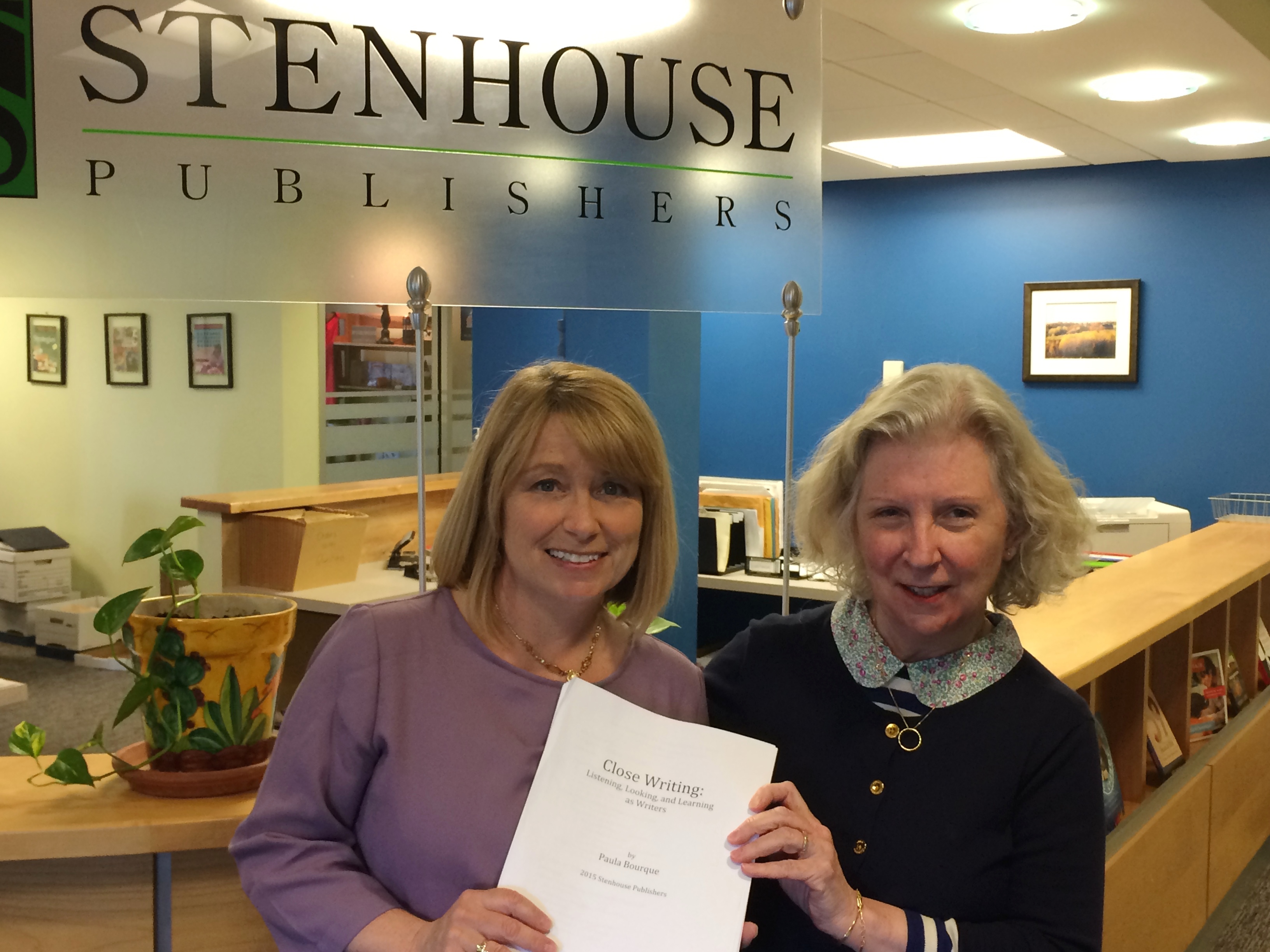
Handing off my manuscript to the most amazing editor, Maureen Barbieri

I hadn’t meant to stop blogging, but time became a premium commodity this winter as I worked to finish my first book. My priorities became my family, my teaching, and the book. So when I turned over the manuscript last week to Stenhouse Publishers, it was such an incredible feeling of relief and exhilaration. I have always believed in Donald Graves’ advice that teachers of writing should be teachers who write, but this experience was more enlightening than I could have ever imagined.  My empathy for writers has grown exponentially and my appreciation for good writing and talented authors has soared.   I cannot look at a piece of writing the same way again.  Each book, article, or text I have read recently presents itself with layers to explore.  I savor word choice, contemplate the turn of a phrase, marvel at the organization, wonder what was edited out, and imagine the writer during those moments of creation.

I watch the students in our classrooms engaging with the writing process and feel compassion for their struggles and joy for their successes in deeper ways.  I listen more openly to their thoughts about the process and their ideas with a genuine desire to understand before “teaching”.  I am much more sensitive to how feedback might resonate with a writer.  They pour a piece of themselves onto that paper and want it to be loved ‘as is’.

But I also know the satisfaction that revision can bring to a writer. It’s a bit like sculpting a piece of stone.  Each time we revisit and rework the piece it has the potential to reveal something new and more refined-sometimes things we could not anticipate. Feedback from others (editor, colleagues, friends) is like  precision tools that helps chisel and polish the work toward its final form. I want our students to experience that satisfying sense of accomplishment by embracing revision rather than dreading it. This process has helped me contemplate these possibilities more sensitively.

So for the dozen and a half people who read my blog, I am back in the saddle! Happy to “think aloud” each week on topics that are dear to my heart and my teaching.  I am also thrilled to have time to get back to another of my most favorite activities…READING!

What’s On My Book Radar?

Finishing my book was like ending a second full-time job, giving me time to devour some books!  Two that have been on my bed stand for months were finally read and LOVED!

17453187 51cV6sxJ8+L._SY344_BO1,204,203,200_

Jennifer Nielsen (The False Prince trilogy) has created another hero we can follow- Nic Calva, a slave in the mines of Rome in her latest tale Mark of the Thief.  She starts us off with an amazing escape and keeps us on the edge of our seat throughout.  Nielsen is a master at creating characters who overcome impossible odds and her writing always includes twists and turns that I do not anticipate.  This series will be a hit for kids who love adventure, mythology, and smart writing!

Liesl Shurtliff is a gifted reteller.  She takes stories so familiar that we cannot imagine anything more could entice us, and spins a tale that is incredibly engaging. Her first book Rump: The True Story of Rumplestiltskin  gave us a different perspective on a much maligned character and her new book Jack: The True Story of Jack and the Beanstalk offers us an equally imaginative version of a classic tale. The land at the top of this beanstalk will surprise you, as will getting to meet Jack’s family and neighbors.

Put these two titles on your summer reading list and you will have some ‘happy hours’ as you vacation to these distant lands.