Category Archives: Uncategorized

Welcome New Teachers!

NewTeach_Announce-300x172One of the best parts of my job as a literacy coach is working with new teachers.  I love their energy, passion and joy; especially as they prepare for their first days in the classroom.  I have spent the last week working with some fantastic new hires to our district and I feel energized by that connection.  I have thought a lot over the years about how to best welcome new teachers into our fold.  How do we support them, without overloading them?  They cannot possibly absorb all of the organizational knowledge and history of a school and ‘get up to speed’ with the rest of the staff on every initiative we’ve been immersed in over the years.  So, I am trying to keep my tips simple. Here are a few of the things new teachers and I have talked about recently.

 JUST BE THEREClassroom-Strategies-For-Keeping-Students-Engaged

Focus on the kids, not the curriculum for the first few weeks of school.  The kids will want to know 2 things when they come into your classroom.  1. Do I have any friends?  2. Does my teacher like me?  Your biggest job is to make sure they can answer YES to both of those questions.  Creating a classroom community of inclusion, kindness and collaboration takes time.  Take that time right at the start to lay the foundation. Create positive relationships with every one of your students.  Learn their names.  Learn something about them.  Let them learn about you!

Set expectations and help everyone find success with them.  How do you want them to enter the room?  How do you want them to speak up in class?  How do you want them to work independently?  Make sure they know what it should look like and sound like and feel like and then practice it.  Consider every part of the day a teaching opportunity.  Kids talking too loud? Great teaching opportunity.  Kids having trouble sharing?  Great teaching opportunity.  Kids jockeying for position in line? Great teaching opportunity.

Seek to understand.  It takes time to figure out why some kids are shy, why some are angry, why some are impulsive. o-STUDENT-ANXIETY-facebook Everyone is different and we believe this (on a surface level) yet we frustrate ourselves when we can’t make them all quiet, or patient, or considerate.  The same way we know not every child learns to read at the same pace, we need to remember that not every child learns to “do school” at the same pace.  Try not to show your frustration, they need to hear and believe the message “I have faith in you. I know you can do this.”

Be patient with yourself!  Things won’t go the way you planned. It’s ok.  Kids won’t do everything you tell them to.  It’s ok.  Your beautifully organized classroom will get trashed.  It’s ok.  It’s not because you are new, believe me.  It is happening in every classroom up and down the hall.  THAT is what school is about…learning, problem solving, creativity, adapting.  Don’t stress about the things you weren’t able to do – the kids will never know!!  Don’t stress that things aren’t perfect – they never will be!!

Laugh a lot-it’s usually pretty hilarious! Kids will take a cue from how you react to situations.  A little laughter and levity can reduce tension and anxiety and help you hit that ‘restart’ button!   Say you’re sorry-model that courtesy whenever possible. Simple comments like “I’m sorry boys and girls, I forgot to show you how I expected you to line up.  My fault!  Let’s try that teacher+laughingagain” will go a long way in creating a nurturing classroom climate.  Share your problem solving-when things don’t go the way you envision, demonstrate how people are flexible and creative in working through it. “I can’t find that graphic organizer I wanted to show you so I’m going to create my own- they are really just a way to organize our thinking so I’ll show you how I organize my thinking.Model and notice kindness-They expect kindness from the teacher, but they may not notice it in their classmates.  Look for examples, comment on them and you will see an abundance. It could be a public announcement like, “Thank you Marc for sharing your space on the rug.” or you might talk to Marc in private, “I notice when you come to the rug that you make room for your friends. That is a really kind thing to do to help others feel welcome.” Some kids don’t like to be singled out, others relish the spotlight, once you get to know your kids you will get a better sense of their needs.

FOR STAFF WELCOMING NEW TEACHERS

Here’s what I have learned from watching veteran teachers who are masters at welcoming new teachers:

Listen-It’s easy to want to share lots of ideas and activities with new teachers.  They can be easily overwhelmed with hjn021313teacherresidenciesinformation.  Veteran teachers who ask, “How’s it going?”  and then listen, wait, and listen more,  allow the new teacher time to process what their questions, concerns and anxieties might be.  They let the new teachers know that their thoughts are legit and important. I know personally I  sometimes feel like I have asked a silly question if somebody fires back a quick fix answer that makes me think, “Oh, I probably should have known that.” Veteran teachers know that responding to questions is as much about building a relationship as it is offering information.  Veterans also know that when new teachers are sharing concerns that they aren’t always looking for someone to  fix it, they sometimes just need to share and think out loud to someone they trust.  I often see veterans nod and agree and then sometimes ask, “Do you want to know what I did?” to let the new teacher know that we’ve all been in that boat and had to work things out.

Do Things WITH them- I’ve seen veteran teachers volunteer to do a duty with the new teacher to mentor them through playground or lunchroom routines.  I’ve seen them roll up their sleeves and sort books, staple paper to bulletin boards, or fill oumentor-teachers-leadt name tags.  Veteran teachers offer to help plan lessons to get the new teacher off to a good start.  I’ve seen principals and staff take a new teacher out to lunch or have get-togethers with all staff to build relationships beyond the school walls. This time together is so much more helpful and valued by new teachers than a donation of extra classroom materials (though they truly do appreciate ‘stuff’ so they don’t have to buy it-they are usually broke!)

Give Specific Praise-Veteran teachers know that new teachers won’t get everything “right” in that first year and that they don’t need reminding of that.  Pointing out what they are doing “wrong” isn’t helpful, it often reinforces the anxiety or lack of confidence that can hit new teachers.  The veterans I have learned from give specific praise to reinforce the great things new teachers are doing.  “Wow, I notice you made your class line up 3 times until they got it right.  Every kid knows that expectation now.”  Because other teachers are busy in their own classrooms and can’t notice the new teachers routines, I’ve watched assistant teachers (ed techs), coaches and principals provide that praise during the day.

Give Them Opportunities to Share-It’s hard to always be on the receiving end of the help hot line!  It is empowering to haveTeacher_Collaboration-450x333 opportunities to share as well.  I have seen some new teachers share ideas in teachers rooms only to be met with, “Yeah, been there, done that.” or “That might work in your classroom.”  The veteran teachers who are most welcoming not only listen and welcome new ideas, they seek them out.  They’ll ask new teachers “Hey what have you learned about_______?” or “I saw that project your kids did, can you show me where you got that idea?”  Those veteran teachers seek to include new teachers and their energy, passion and ideas into the school culture.  They realize we are all better together than we are alone.

These first few days and weeks of school are magical moments.  They are filled with anticipation, excitement, fear, hope, joy… for students AND teachers.  As Charles Dickens said, “No one is useless in this world who lightens the burdens of another.” May we all embrace these next few weeks as a time to build community, to celebrate differences and to lighten the burdens of another.  Welcome new teachers, we’ve been waiting for you!

What’s On My Book Radar?
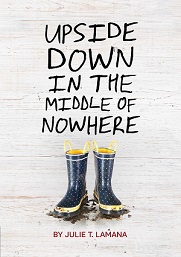
Upside-Down-in-the-Middle-of-Nowhere_Front-Cover_sm

I am quickly running out of time for summer reading….AHHHHH!  Luckily I had time for this gem.  Nine years ago this week, Hurricane Katrina hit New Orleans.  My only understanding came from news reports and accounts told from an adult’s perspective (Dave Egger’s Zeitoun).  Julie T. Lamana was a literacy specialist in Louisiana when Katrina devastated her state.  She gained some amazing insights into the survivors’ experiences and put them to paper in her fictional middle grade novel Upside Down in the Middle of Nowhere.  I couldn’t put this book down, I wanted to see what would happen to Armani Curtis as she tried to celebrate her tenth birthday in the Lower Nines of New Orleans.  I can only say that I felt like I was there, and have greater insight into the chaos, frustration and pain that the victims endured.  Though a tragic story it is filled with hope and bravery and love as told through the eyes of a ten year old child who had to grow up much too fast!.

Stand on Your Desk

I stand upon my desk to remind myself that we must constantly look at things in a different way.” -Robin Williams (as John Keating in Dead Poet’s Society)

Many of us are in shock as the news of Robin William’s death reverberates throughout the media landscape.  We are in disbelief that the man who moved us with laughter in his comedy and tears in his drama is gone.  Twitter, Facebook, Instagram, are abuzz with condolences and remembrances. Many are posting or asking others what their favorite Robin Williams’ movie or quote was.   I think teachers can easily relate to the passionate teacher  he portrayed (John Keating) in Dead Poet’s Society or the insightful therapist (Dr. Sean Maguire) in Good Will Hunting.  Both characters pushed young men to discover their talents and live their lives fully-a desire most of us have for our own students.

I was just beginning my teaching career when Dead Poet’s Society was released.  My first year of teaching was incredibly difficult and many times I fought the urge to give up and and walk away.  Though I didn’t teach preppy high school boys, I was completely inspired by this fictional teacher’s approach to life and learning.  I held onto the belief that teachers do make a difference, and though they may not be rewarded by society for their efforts, the impact on the lives of their students is incredibly rewarding.  I stayed in teaching.

I did not know Robin Williams personally, the characters he portrayed were not real, and yet my experiences with his work and his persona have impacted my life.  Every experience we have shapes who we are. Every event, book, movie, play, poem, song, dream or relationship has an impact on who we are, how we think, how we work.  I will take some time this week to revisit and remember some of those experiences he gave me, and be grateful for his talented life.  I am reminded that we are only here briefly on this planet, and that every moment counts.  I want to make my moments count.  I want to “stand on my desk” and remember to look at things in a different way.

As we go back into our classrooms, maybe we can reflect on this, and be inspired by this. Be brave, do good things, and your body of work will live on long after you are gone.


What’s on My Book Radar

9780325053608Talk about “doing good things”, this book is a testament to great teaching! I love Linda Rief.  She is the real deal when it comes to walking the talk!  My son is going into 8th grade and I wish she was going to be his teacher.  So excited to get my hands on this book and learn from one of the best.  If you use a workshop model of reading and writing in your middle grade or middle school classroom, this book is a must for your professional library!

4cf45b_c809c4d7e12d5d2c4d3515a33108175d.jpg_srz_p_350_540_75_22_0.50_1.20_0So many books, so little time!  As my summer is quickly coming to a close, there are still so many books I want to read.  I Kill the Mockingbird has been one of them.  Three friends try to create a buzz about reading their late teacher’s favorite book (To Kill a Mockingbird).  They hatch a plan to create a shortage of the book in their community, thereby creating a demand.  A perfect book for fanatic readers!

Picture Book 10 for 10 is back!  Reflect and Refine blogger Cathy and Enjoy and Embrace Learning‘s Mandy have hosted this event the past 5 years.  They share their top 10 “Can’t live without” picture books and invite others to post their own selections of 10 picture books.  What are your “Go to” picture books that you love?

 Happy Reading.


Happy Anniversary, Teachers!

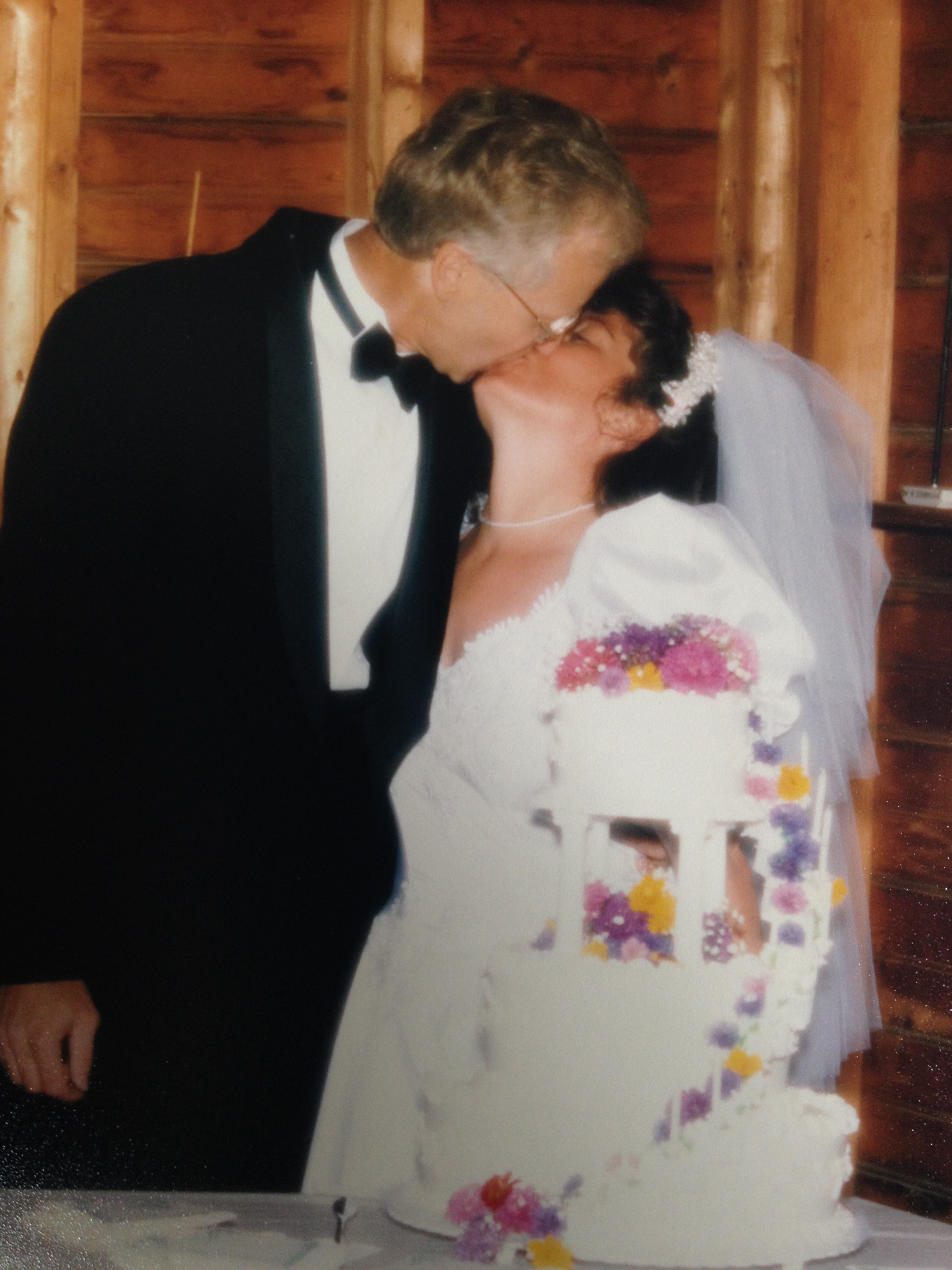
IMG_9481Today I am celebrating my 20th wedding anniversary, and I don’t want to spend it with this computer, so I’ll be brief.  Naturally my thoughts turn this week to the importance of anniversaries.  For many of us, like me today, we celebrate wedding anniversaries or other dates of significant importance in our lives.   It is the perfect time to stop, remember and reflect.  Today I am remembering why I chose to share my life with this wonderful man. He is the most patient, kind, gentle, intelligent and even-tempered man I know and I loved that about him.  I am reflecting on why we chose to build a life together.  I wanted someone to share my happiness and my sorrows.  I wanted to create a family filled with love and joy.  So today I don’t just remember those hopes, I reflect on how I am living them and keeping them as true today as they were 20 years ago.

This month, many teachers will be celebrating their “Teaching Anniversary “.   While some give this little thought, others will spend time remembering those first days, weeks and year(s) of teaching.   This anniversary is the perfect time to stop, remember and reflect.  We cannot possibly remember everything but each teacher can easily conjure up images of incredible highs and lows no matter how long their career.  Try to laugh at the gaffs and pause at the poignancy of those memories.  As Martina McBride sang, “Every laugh line on your face made you who you are today,” or Kelly Clarkson  mused, “What doesn’t kill you makes you stronger!”


IMG_9490
My class 20 years ago!


So as you are preparing your rooms and yourselves to go back into the classroom, I encourage you to celebrate your anniversary.  Take time to remember the big and small moments that celebrate YOU as a teacher.  But also take time to reflect on why you chose teaching as a career.  What is it you wanted about teaching that would bring meaning to your life?  Then as you step back into the classroom, bring that with you.   Keep those hopes and dreams you had as a new teacher alive in your heart.  Maybe you’ll find that you worry less about those bulletin boards, name tags, desk arrangements and school supplies and you’ll look forward to those faces looking up to you and those hearts ready to love you.  You might embrace the challenge of those daring you to teach them or reach them. You might remember that making a difference requires making things different and that’s rarely easy.  If your preparation doesn’t bring some joy or excited anticipation the way that first year did, ask yourself why?  Anniversaries offer us opportunities to rekindle the magic. Life is too short to live without that magic.

IMG_9489
Ocean field trip with my first graders, 20 years ago.

HAPPY ANNIVERSARY!


What’s on My Book Radar?

Not exactly a beach book, but this is a must read for anyone who’s “First World Problems” are causing them angst.  There are many books about the holocaust, most are not appropriate for school aged children to bear witness to, but The Boy on The Wooden Box is a powerful memoir about resilience, compassion and real heroes in life.  Leon Leyson’s remarkable memoir takes us from the ghettos of Krakow to Oskar Schindler’s factory, and introduces us to one of the biggest heroes of the Holocaust.

A better ‘beach book ‘ might be The Summer I Saved the World in 65 Days.  Nina Ross believes that simple kindness can change the world and she begins to live what she believes with subtle but profound results.  Wish I had started reading this one at the beginning of the summer!  Great read for ending a school year and launching kids into a summer of kindness.


HAPPY READING

Why Vacation Makes Me a Better Teacher

IMG_9011
Cappucino at Cafe Vittoria (North End of Boston)

I spent the past weekend (plus a day) in Boston with my sisters and a friend from college (Southern Illinois University) that I hadn’t seen in over 20 years.  When I first met Cheryl, she was a criminal justice major and I was a theater major.  I suppose it is somewhat ironic that it led us to jobs that are very similar in education-me as a literacy coach in Maine and Cheryl as director of instructional support at the Indian Community School in Milwaukee.

As we talked and shared some great times together I realized how important it is for teachers to LIVE life outside of school, to immerse themselves in the history, culture, geography, and people of the world around them.  This is the world we are trying to prepare our students for.  Our goal isn’t to create successful students that exists only within the four walls of the classroom, it is to create citizens who appreciate and contribute to their communities and society in ways that enhance us all. We can’t guide our students toward that which we do not appreciate, understand or experience for ourselves! In the information age with the internet and variety of  technology it is easy to forget how important first hand experiences are in shaping our understanding and appreciation of the world. I reflected on several examples this weekend which enhanced my life experience and in essence, will make me a better teacher.

IMG_9043
Boston Public Garden

HISTORY

Just mention the word Boston and images of colonial America and the American revolution come to mind.  It is one thing to read about history, it is another to walk the same steps, view the same documents and surround yourself with the artifacts that define our history.  We walked the Freedom Trail past the Old North Church, Paul Revere’s home, Faneuil Hall, the old state house (site of Boston Massacre) and through Boston Common.  The city is dripping with history that teachers can bring to life in their classrooms.

IMG_9065
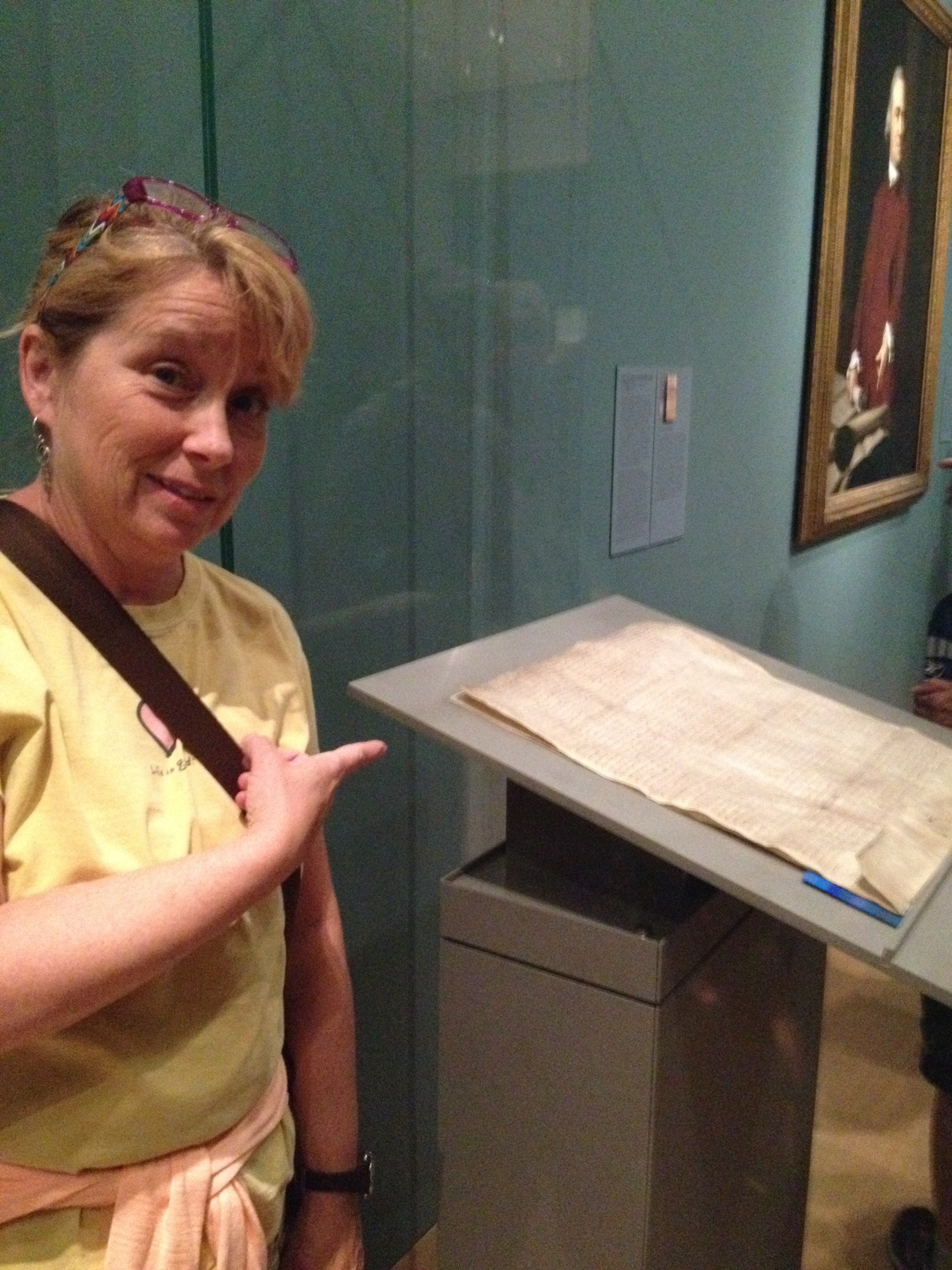
Posing with the Magna Carta

We were also fortunate that one of the four surviving copies of the  Magna Carta  was on display at the Museum of Fine Arts, (along with two manuscript copies of the Declaration of Independence-one penned by Thomas Jefferson and one by John Adams, and the Sons of Liberty Bowl created by Paul Revere).  I contemplated more IMG_9062than once, the significance of these artifacts in advocating the rights of individuals, and how that relates to the advocacy of student rights teachers champion each day.  A teacher who can convey the relevance of historic documents and artifacts to our lives today, can help her students embrace their own role in the ongoing history of our society-to help them appreciate that our actions create the history for future generations.

CULTURE

IMG_9118
Close up of Van Gogh’s Houses at Auvers

While at the MFA, we also took in the incredible art on display.  We were mesmerized by the ancient cultures of Egypt with the ornate artwork accompanying the dead into the after life, by the icons of the Renaissance, the illuminating strokes of the impressionists, the intricate strokes of the realists, and the whimsical strokes of the abstract expressionists.   I was juxtaposing the interpretation of the world these artists displayed in their work, with the writing my students create to interpret and explain their world.  Each brush stroke is like a pencil stroke, resulting in the culmination of a ‘masterpiece’ when the creator is finished.  Each technique so different, each interpreted so differently, each awaiting the eye of the beholder.

GEOGRAPHY

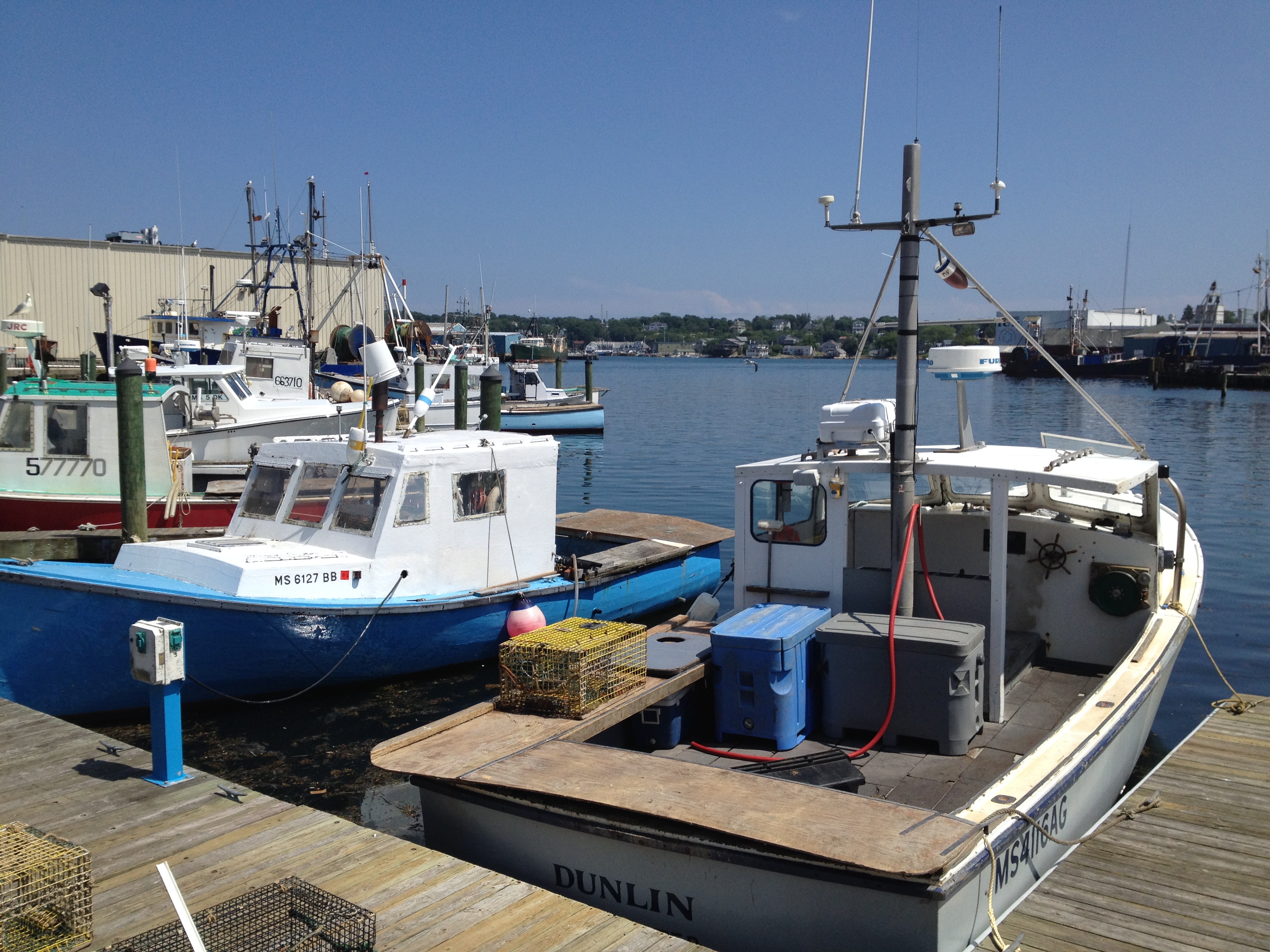
Getting out and exploring the geography of your surroundings can not only be awe IMG_9197inspiring but eye opening.  I reflected on how small the known geography of my students’ world is for most of them and how important it is for teachers to broaden their horizons to create possibilities.  How would their thinking be different if they could envision the narrow cobblestone street of the North End of Boston while reading about immigrants, or hear the seagulls surrounding an incoming fishing boat heavy with the aroma of their catch as IMG_9132they study industry, or walk the varied coastlines of sand and rocky shores as they study weathering and geology.  I contemplated ways to bring those experiences into the classroom for our students who are limited in their direct observation of the world outside of their neighborhoods.  A teacher’s experiences shape the way they share, I want my own children’s teachers to share the world with them.

PEOPLE

IMG_9021
Haymarket in Boston

Probably one of the most important reasons teachers need a vacation from their schools, is to interact with people from varying professions, regions, cultures, etc.  The school year can keep us pretty insulated within the world of academia.  The opportunity to immerse ourselves in other regions or communities helps us develop empathy, compassion, understanding, and appreciation for people who do not necessarily think, believe or live the way we do.  We break down the walls of “otherness” when we meet and engage with a variety of people from different walks of life.  Surprisingly, you often don’t really need to travel too far to experience this variety. If teachers don’t expand their worldview, they are limiting the educational opportunities they could offer their students as well as their ability to appreciate the uniqueness of individuals as human beings and not just students.

IMG_9033
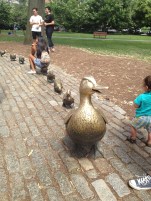
Make Way for Ducklings sculptures in Boston’s Public Garden

Now, I know a lot of people would argue that teachers could do this on weekends or on the week vacation many people get.  Some could, but most spend weekends regrouping, recuperating and refocusing on their families, personal needs and even more work.  It is only when those needs are met that teachers can engage in the ‘research’ of the world around them-can explore ways to bring the world into their classrooms.  If society saw education as an investment in the lives of our children and our future, they would encourage  their teachers to have as many rich experiences in life and as deep an understanding of the world as possible. They would honor the need for a break from the classroom for teachers AND students. (I will talk another time on why I think breaks from school are just as important for students.)

As Maya Angelou said, “You are the sum total of everything you’ve ever seen, heard, eaten, smelled, been told, forgot – it’s all there. Everything influences each of us, and because of that I try to make sure that my experiences are positive.”  Everything I have done this summer, will influence how I teach the rest of my life.  My vacations make me a better teacher because I work hard, play hard and immerse myself in the “real world” that I am preparing my students to thrive in.

What’s on My Book Radar?

On my train ride home from Boston I devoured Neil Gaiman’s The Ocean at the End of the Lane.  I was totally absorbed by this mesmerizing tale of the adventurous friendship between a young boy and his neighbor, Lettie Hempstock, as they try to save their community from a supernatural being that has invaded the town.  I don’t want to give away too much of the plot, but fan’s of Gaiman’s fantasy style will LOVE this latest offering. Easily read in an afternoon, but will stay with you for much, much longer!

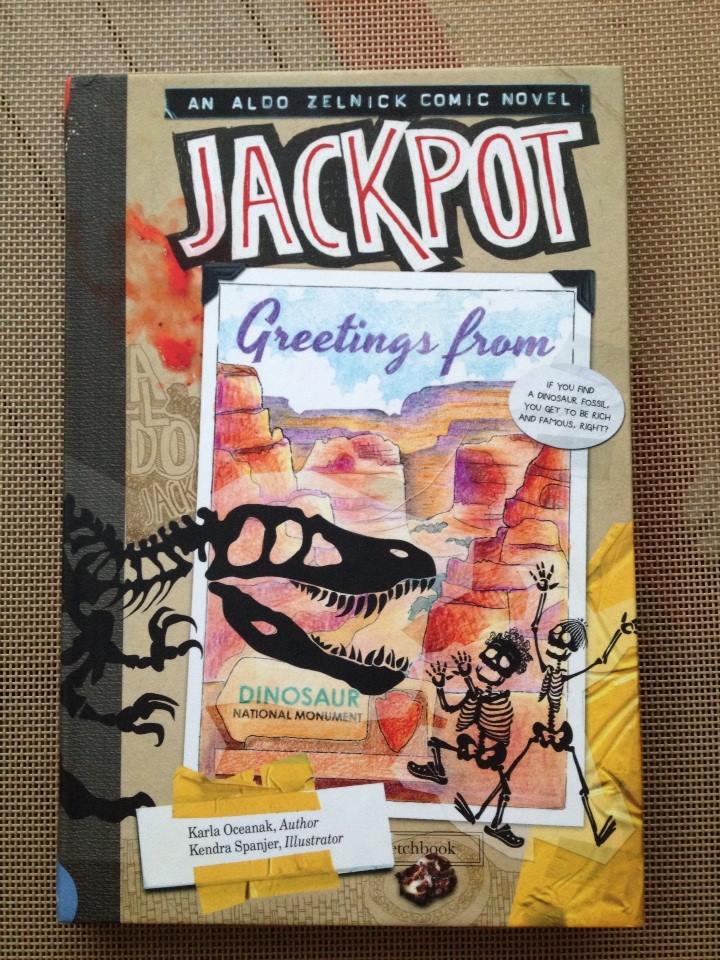
Also recommended is a series introduced to me by my longtime college friend, Cheryl Weber.  Welcome to the world of Aldo Zelnick!

1393724_10204554243435777_6493059217117274678_nhttp://www.aldozelnick.com/books

Aldo is a 10 year old boy who lives with his family in Colorado.  His story is told through a series of graphic novel books whose titles are presented in alphabetical order (Artsy Fartsy, Bogus, Cahoots…) The author, Karla Oceanak, also offers a glossary of words that correlate to that letter of the alphabet- a feature I thought would really turn kids onto vocabulary in a fun way.    This series would be the elementary age equivalent to Diary of a Wimpy Kid, but with a regional Rocky Mountain flare.  (Talk about bringing the world into your classroom!).

So if you are looking for a series to engage younger readers who aspire to read Diary of a Wimpy kid, but aren’t quite ready to comprehend the tragicomedy of middle school- you might want to check out this series.  You might have to do some searching though, as they are not on the shelves of many local libraries or bookstores just yet.


Slow Down, Look Around

IMG_8840 - Version 2Many teachers I know are familiar with the analogy of summer vacation being like a weekend; June is the Friday, July is the Saturday and August is the Sunday.  We tend to respond the same way to our summers as we do to our weekends, often driven by the same thoughts and behaviors.  As I write this, on my “Saturday evening”, I am pausing IMG_8817to reflect and project on the time I call vacation.  As much as I try, I cannot slow time, but I know I can be more present in the moments I am given, and that is about as close as I can come to deceleration.

So yesterdaIMG_8814y I decided that I was going to slow down and really look around.  I wanted to try to be present in each moment I could, appreciate how beautiful my world is and be grateful for the life I have.  I tried not to worry about ‘to do’ lists, work awaiting me at home or school, curriculum, manuscripts, housework, etc.  Whatever I was doing, or wherever I was, I wanted to experience it fully.

As you can see, it did not stop time-the day passed, as all do.  But I can already IMG_8912see that parts of that day are going to travel forward with me.  Some of the images, some of the thoughts, some of the feelings I experienced made a strong enough impression that I hope will sustain me when life seems to be racing far too fast.  When I revisit these images on those crazy days to come, I hope some of that peace and gratitude will revisit my spirit.

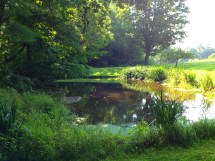
Now I happen to think I am incredibly lucky to live in a breathtakingly beautiful place.  Maine has such diverse natural IMG_8869beauty that I can’t possibly  experience it all in a single day, so I chose a few of my favorites to savor for my day.  Wherever you live, you can  find beauty as well.  Let yourself be drawn to the places that fill you with awe and gratitude; a park, a cornfield, a stream, aIMG_8874 city skyline or your backyard.  When you find it, slow down.  Look around.  Tune out the rest of the world for just a few moments.  Become awash with the sounds, the smells, the spectacle of what is in front of you and around you.  Draw it, photograph it, write about it so that you can return to it when you need to.

We cannot slow or stop time, but we can capture moments with intention, focus and gratefulness.  We can share them or stash them away for future reminiscence.  Where will you slow down and look around and capture a moment?IMG_8823

May you savor your summer and replenish your spirit, wherever you are.


What’s on My Book Radar?

IMG_8915I just finished Orphan Train by Christina Baker Kline.  I am not sure how this part of our nation’s history was something I knew almost nothing about.  From the 1850’s to the 1930’s children categorized as orphans from cities and towns on the east coast, boarded trains and were shipped west.  Though the benevolent intention was to find good homes for these unwanted children, that was not always the outcome.  Baker beautifully weaves the life of 90 year old Vivian, a former train rider, with Molly, a young foster child in Maine as the strike up an unlikely friendship.  You will truly appreciate how luck plays such a dramatic role in the fate of so many lives.  I couldn’t help but think of our modern day ‘orphan’ crisis on the southern borders of our country right now as I read about the disparate acts of kindness or contempt that these helpless children faced. History does have a way of repeating itself.


#TeachersWrite

10497946_876609592353825_1937506217078596531_o What are you doing this summer?  Want to participate in the hottest camp around? Teachers Write is a virtual camp for teachers to create, develop and share writing with published authors who donate their time to mentor, encourage and provide feedback to teachers . As founder Kate Messner describes it, “Teachers Write is a community of teachers and librarians who believe that people teaching writing should walk the walk.”

I’ve become more and more convinced that teachers of writing should be teachers who write.  That’s not to say we all need a goal to be a published author, but that we experience the highs and lows, the joys and the struggles of the writing process we are teaching our students. I first blogged (Teacher of Writing or Writing Teacher) about this in March after #Engchat on Twitter with Kelly Gallagher, Penny Kittle and Georgia Heard.  I was struck by a quote from Donald Graves…

“You can’t call yourself a writing teacher if you are not writing yourself. “

That became a call to action for me.  I needed to “Be the change I wished to see in the world.” (Gandhi)  I had already been journaling daily and blogging weekly, but I started trying out some of the assignments that kids were being asked to do, and not finding them easy!  I had a great deal more empathy for those novice writers and could better anticipate the supports that they may need to find success.  I could appreciate the commitment and stamina it took to stay with a piece of writing that you didn’t feel invested in.  One of the biggest perks that I hadn’t anticipated, was an even deeper appreciation for the books I was reading.  The turn of a phrase, the imagery, the word choice, or structure of a book suddenly tasted sweeter!

It also gave me the courage to try my hand at some professional writing.  I’ve immersed myself in reading, research and reflection on my teaching/coaching to help me compose some ideas around the teaching of writing.  I have made a commitment to this project for the summer that will be shared with precious little else (my family, #Teachers Write and my #BookaDay challenge!).

If you are looking for a challenge this summer to take your thinking and teaching to a whole new level, I would strongly encourage you to sign up for Teachers Write and visit Kate Messner’s webpage to get started.  You’ve only missed a few days as it runs July 7-August 15.  You can follow Kate on Twitter @KateMessner as well as fellow authors and mentors Gae Polisner @GaePo, Jo Knowles @JoKnowles, Jen Vincent @mentor texts.  There will also be guest authors throughout the ‘camp’ so you definitely do not want to miss out!

Kate asks that you support these authors by buying or checking out their books this summer.  It’s also a great way to appreciate the thinking of these mentors when you are familiar with their work!   So do yourself a favor this summer and join one of the BEST summer camps going!  You don’t have to post your work, but if you do you will receive encouragement and support from some of the best in the business!!

HAPPY WRITING!!


What’s on My Book Radar?

I just finished these two books for my #BookaDay Challenge and I am ready to dive into some #TeachersWrite author books.

18635089 18405537

Nothing like a bit of fantasy during those summer evenings reading on the deck or hammock.  These were amazingly quick reads as I was sucked right into the engaging plots.  Time travel in SLB and legends and lore in TNG!  LOVED them both!

TBR…

Now I need to check out the #Teachers Write guest author’s books!

YAY Books!  YAY Authors!!

9781416995005 9780763664558 9781250019332 9780375854118

wakeum

Happy Reading!

The Best PD of My Life!

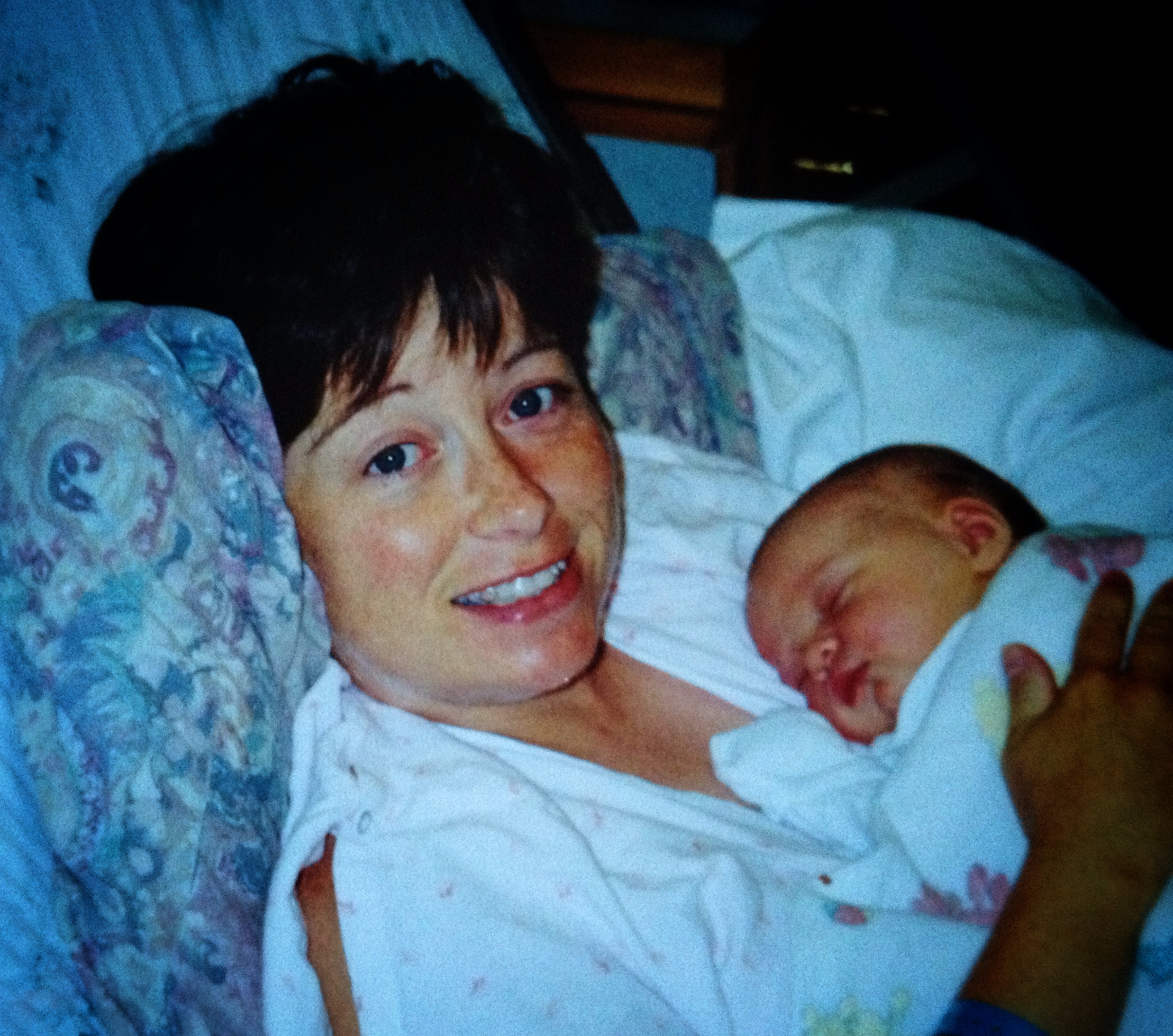
IMG_824616 Years ago today I began the best professional development of my life.  With the arrival of my 9lb 13oz daughter, Bailey,  I became a mother and from that day on I was changed for the better.  Now I don’t believe being a parent necessarily makes everyone a better teacher.  I have many teacher friends who are unbelievably talented educators who are not parents and I have met some less than effective teachers who have begotten children of their own.

It is not the circumstances of our life that is responsible for shaping us, it is our perception, appreciation and responses that fashion the people we become. Having my daughter did not bestow upon me any special teaching expertise.  What it did do was offer me the opportunity to experience the world through a child’s eyes again.  It constantly reminded me that children are far more than just students, they are human beings with lives outside of those classroom walls and dreams that extend beyond the goals of any curriculum.  It allowed me to empathize with the parents of my students in ways I could not have imagined.  It helped me to deeply understand the developmental, emotional, cognitive and social needs as my children passed through each stage of childhood.

When my son, Casey, arrived two years later my understanding and empathy for boys became an eye opening experience.  It helped me to appreciate children as individuals on a much deeper level-I could no longer think of siblings in schools the same way.  I began to look for the ‘specialness’ in each of them, because I knew it was there.  I began to challenge prejudices and assumptions based on gender, birth order, family history, etc.  I learned to accept my children for who they are and not just for the hopes I had for them as babies.  I’ve watched my daughter grow into an amazing dancer  and not the tom boy/athlete I was in my youth- and I am in awe of her.  They will have lives that I can not even imagine and yet it is my role to prepare them for it.  That is the same task we as teachers have for our students.

So I want to thank my children for the professional development you have offered me over IMG_8254the past 16 years.  You have challenged my thinking (and my authority!).  You have provided me with experiences I would never have chosen.  You have taught me patience, stamina and empathy for others on a daily basis.  You have compelled me to seek balance in my life as I juggle my needs with yours.  You have helped make me the person I am today-not perfect, but perceptive, patient and positive.  I can’t wait to see what lessons the next 16 years will offer me.

The best professional development we as educators can have is that which shapes our world view and not just our classroom practice.  It helps us to be better people so that we can be better teachers of people.  It breeds understanding and empathy and not just pedagogy.  We all should look for those opportunities in our lives and embrace them when they come along.  What’s the best PD that you have received in your life?


What’s on My Book Radar?

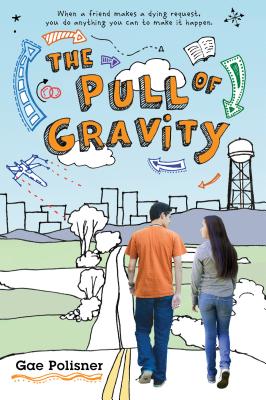
IMG_8097I didn’t want this book to end.  I loved Gae’s message of hope and redemption.  I cared so much about Francesca and Frankie that I didn’t want to leave them behind when I’d read the last pages.  These characters have flaws that we can all identify with and hearts that break and mend and forgive in ways that can help us reflect on our own relationships. I didn’t want to let go of The Summer of Letting Go!


HAPPY READING!


Book-A-Day 2014

Hey All You Nerdy Book Club teachers or just Nerdy Readers…You are probably out of school by  now (even if you live in Maine)!  It’s time to think about the Sixth Annual Book-A-Day 1621704_667566729951571_1638043617_nChallenge!  

Established by Donalyn Miller (The Book Whisperer), it began as her public commitment to continue reading and sharing books with other readers all summer long.  The goal is to read one book a day, each day and post about it.  Sounds daunting at first, but her rules are simple…

  • You set your own start date and end date.
  • Read one book per day for each day of summer vacation. This is an average, so if you read three books in one day (I know you’ve done this!) and none the next two, it still counts.
  • Any book qualifies including picture books, nonfiction, professional books, audio books, graphic novels, poetry anthologies, or fiction—children’s, youth, or adult titles.
  • Keep a list of the books you read and share them often via a social networking site like Goodreads or Twitter (post using the #bookaday hashtag), a blog, or Facebook page. You do not have to post reviews, but you can if you wish. Titles will do.


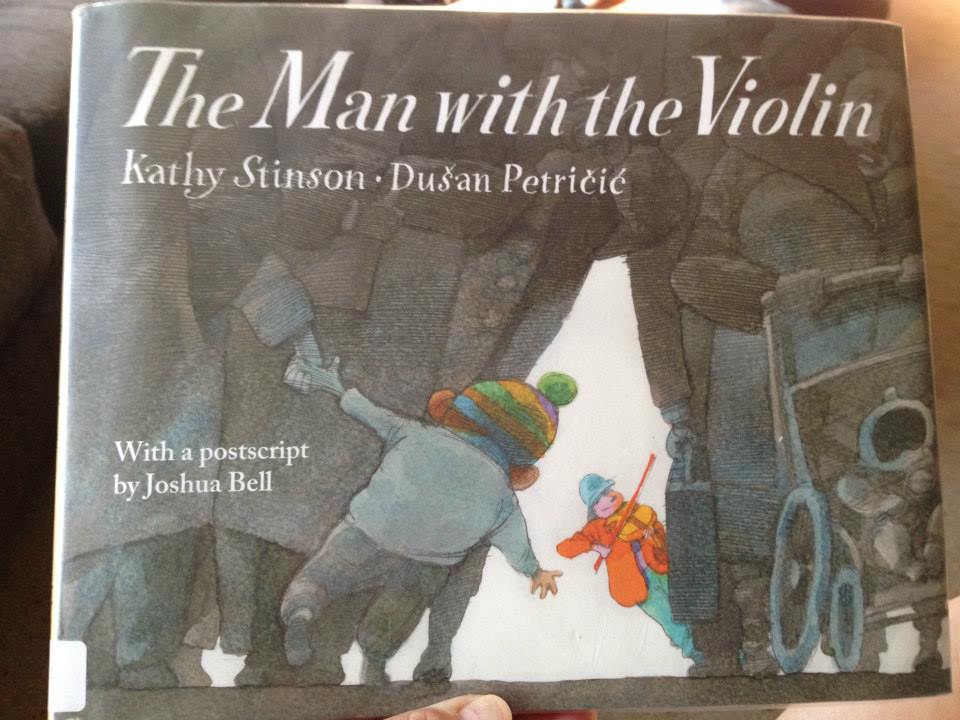
So as you can see…ANY book qualifies.  I couldn’t possibly do it without a cache of picture books on hand, books I might not otherwise check out…  I learned some really fun things like:    Every major league baseball is treated with something very common yet very secretive!  10303374_10204293324792974_5521659285391223163_nOR  A major concert artist gave a performance at a D.C. metro stop and the reaction was surprising!10439432_10204252689937128_548567021298871530_n

I am savoring some YA books I’ve been waiting to read…

looking-for-alaska 18267071

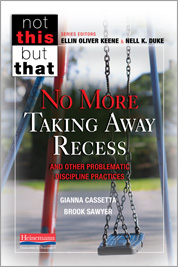
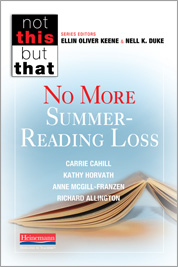
And diving into an engaging “Not This, But That” series that includes titles such as:9780325049045 9780325051147 9780325049038

The only thing keeping the volume of reading down for me this summer, is a new goal of writing everyday.  Immersing myself in this new venture has been exciting, exhausting and sometimes frustrating.  Being able to relax and escape back into a book has taken on a whole new importance!

So I’ll throw down the gauntlet to my friends and followers.  Can YOU read a book a day?  Give it a try, it’s a challenge I think you’ll enjoy!  If you want to post, use the hashtag #BookaDay on your favorite social media site.


Happy Reading!!

Summer Kids

imagesThe end of a school year is a celebration for many, but for some it signals the loss of learning and relationships for the summer months. Not only do many kids stop reading, writing and computing, they stop connecting with others-especially adults outside of family.   Our schools have grappled with a variety of summer programs and incentives to keep kids reading and learning.  As I noted in my previous blog Summer Slip and Slide there is a mix of results, primarily because the onus is on the student and their family to maintain stamina and momentum over the summer months.  These students then often struggle to transition back into school routines and expectations.

One of our brilliant guidance counselors, Michelle Michaud, has watched this phenomenon over the years in her role as a building principal and counselor and felt compelled to address some of the aspects which cause students to struggle.  She noticed that it often took until October for some students to settle back in to routines and expectations.  She designed a SUMMER KIDS pilot for this year to address her biggest concerns.

“As I began to think about summer and all the kids who struggle with the transition out of school for the summer-that got me thinking about how students struggle to adjust back to the order of school after a summer off.  So I thought about how to keep a connection, a way for them to remember that we are still around and that school is still here while they are away.”– Michelle Michaud

SUMMER KIDSSummer-Reading-photo-Arden

Several students from each classroom were selected by teachers and parent opt out forms went to parents so they decide if they didn’t wanted their child to participate.  There are 4 basic components to the pilot

1. Personalized Postcards   Each Summer Kid will receive a post card EACH week of their summer vacation to let them know we are still here and thinking of them. Keeping the school connections strong over the summer months and providing encouragement and suggestions for learning and summer fun.

2. Popsicles on the Playground   Midway through the summer there is a scheduled play date at the school playground for the children and their families to come and connect with staff and enjoy a frozen treat. Staff can check in with kids and keep those relationships with students and families going strong.

3. Book Gifts  Each student will have books mailed to them 2 times during the summer to encourage reading and remind them that school is still here, waiting for their return.

4. Check In Check Out (CICO)  Each Summer Kid participant will have a staff member check in with them at the beginning and end of each day during the entire month of September to help the transition back into school. Teachers can praise and encourage the good work and effort of students and be available to process and problem solve any difficult situations.  Any student who continues to need help/support will continue to have CICO or we will design a more appropriate support.

free-summer-fantasy-landscape-for-desktop-wallpaper_640x480_80970Michelle purchased the postcards and the staff  who wished to participate could fill them out before the end of the school year.  She and our fantastic principal would send them out each week of the summer and plan the Popsicles on the Playground event.  The teachers were excited about helping out and connecting with kids, the students are going to be so thrilled to know that somebody is thinking about them and caring about them all summer long, and the parents will know that we are there for them and their child all year long.

I love that the focus isn’t about raising test scores or grades, but on supporting the student as a human being first.  Addressing their transition issues, strengthening relationships, building positive images of schools and education, and seeing the whole child would most likely lead to stronger achievement.  But showing kindness and caring will even more likely lead to healthier children-physically, intellectually and emotionally.  THAT is a greater mission.

Do YOU know a Summer Kid you could reach out to? 


What’s on My Book Radar?

This summer I want to participate in the 6th Annual Nerdy Book Club Bookaday Challenge. Since I am also going to try to Kate Messner’s #TeachersWrite challenge, my reading time will have to share the stage with my writing time.  To be able to read a Book a Day, I am going to seriously catch up on some picture book reading. I’ll start with Maine’s Chickadee Award Nominees for 2014

Here are a few of the books I am anxious to dive into:

9781402280139_p0_v1_s260x420 9780811866903_p0_v1_s260x420 9781847802187 9781600606595_p0_v1_s260x420


End of Year Overload

Another school year is winding down…or is it?

1912071_10204132270246711_2958971016698348674_n
10:45 on a Monday night

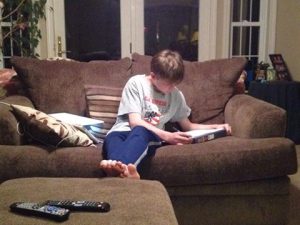
As I write this, it is approaching crazy o’clock at night and my 7th grade son is still up working on homework.  He’s been at it over 3 hours after spending the previous 3 hours working on a project for a Showcase this week at school.  I started to notice posts on Twitter and Facebook from other students and parents who were expressing stress and anxiety over the workloads and deadlines they were experiencing.  It got me wondering how much thought went into the assigning of these tasks during the last few weeks of school.   It made me wonder…

Are We Teachers Aware of Other Assignments Being Given?

When students begin to have multiple teachers, we need to find some way to increase communication regarding homework and assignments.  It can be difficult enough when one teacher assigns a large amount of work, but it is excruciating when several do at the same time.  The idea that “it’s just a few pages” only holds true for that one teacher,  and not so much for the student who has those pages multiplied times each class they take.

Are We Teachers Aware of Other Obligations Students Have?

Sure it would be nice if we teachers knew about our students’ dance recitals, ball games, tournaments, church events or summer jobs that require them to start already, and how they might impact a student’s ability to complete projects or assignments.  But students also have school based obligations and events that flood this time of the year that teachers should be aware of.  Our family had 3 band concerts in 3 weeks, we have school based athletic events, we have art shows and gifted and talented showcases, we have multiple award nights for music, academics and sports-all school related!!  We say we want well rounded children with multiple interests and talents, but many students are so stressed out by ‘celebrations’ and ‘culminating events’ that they do not feel like celebrating…they feel like crying.  It’s crazy how May and June evenings are packed with school-based events after a full day of school for these kids.

Are We Teachers Aware of How Much Time the Assignments Take to Complete?

10329209_10204132618855426_7745315506282421044_n
11:45 and we’re still not done…

When I asked a teacher recently how long she thought an assignment would take her students to complete one night she responded, “I don’t know. An hour?”  Now we all know that students DO NOT work at the same pace in school, so how would they possibly be expected to work at the same pace outside of school, where the distractions can be greater and the work environment may not be as friendly?    I wonder how many of us teachers actually complete the assignments ourselves occasionally, to gain some appreciation for the demands of the task.  If it takes us 15 minutes, we should double that for our better students, triple it for our average students and quadruple + it for our lower students to get a ballpark idea of the time commitment we are laying on these kids.

Do We Teachers Explain the Learning Target for the Assignment? Do We Know It?

Is the homework a series of tasks that seem like busy work to students or could students actually explain what the expected outcome for the assignment would be?  When I asked my son what he was learning in his ELA homework he said, “Just reading and answering questions.”   Now I wouldn’t take that answer as an indicator of the teacher’s competence or a complete accounting of the needed skills, but when I looked at the reading passages and the copious amount of questions that followed I had to wonder why he wasn’t reading a book!  We laughed at the ridiculousness of some of the questions and the tiny size of the boxes in which to ‘construct’ a response. My son reads all the time and has incredible comprehension as a result, what he was being asked was pure busy work, and when there are so many amazing books waiting to be read out there, I was frustrated that he needed to spend an hour with a worksheet and not diving into the pages of an amazing book!!

Do We Teachers Understand the Purpose for Homework?

These questions aren’t meant to be flip or disrespectful.  Do we as teachers ask ourselves, why would I give this assignment as homework?  Does this child need extra practice with this skill?  Does this child need to gain automaticity or fluency with some behavior?  Is this task best done without my help, supervision and feedback? Could this task confuse, frustrate or misguide the student? If so, what are the repercussions of that?  Does it matter if parents help (because some will and some won’t -or can’t)?  Can the child already do this? If they can’t, will sending it home be the best way to help them learn it?  Does this task have application to his/her real world skillset needs?  If not, would it be best done in school? What is the cost-benefit analysis for all of this work?

Screen Shot 2014-06-03 at 8.42.28 PM

Over the many years I’ve been teaching the issue of homework seems to boil down to:

If the student already knows how to do something, why does he need homework to do more of it?   

If the student doesn’t know how to do it, shouldn’t we be there to model, demonstrate, teach, guide and provide immediate feedback?

There are a few tasks that require subtle degrees of practice, such as reading, writing, computation that might benefit from additional practice, and some authentic practice could be accomplished as homework,  but we also need to consider:

Do Schools Have a Right to Dictate What Families Do In Their Own Homes?

IMG_3433
working on a research paper while ‘watching’ the ball game

We cringe sometimes when we are told how to do our jobs by those who do not reside in our schools and classrooms.  Yet we often have no problem telling children and parents what to do with their precious time together.  Are we robbing them of conversations around the dinner table, walks or bike rides together, family movie nights, read alouds of favorite books, hobbies or crafts they enjoy? Kids need unstructured time to explore, create, play, negotiate rules, solve boredom issues, get lost in a book,  nap, hang out with siblings, or do whatever THAT particular family values.

Does Homework Work?

Does anyone have any hard evidence that assigning homework statistically increases that student’s learning?  Are they thinking deeper?  Are they computing faster?  Are they problem solving more effectively? Are they more prolific writers?  I think it is time we looked at the efficacy of our policies around homework and in particular assignments and projects at the END of the learning year.  If we are cramming it in because we didn’t get something in the curriculum ‘covered’ or because we want them to ‘demonstrate’ a year’s worth of learning in a project are we fooling ourselves into thinking real learning is taking place?

What Are Some Alternatives?

As the year winds down, take time IN CLASS to reflect on the learning that has occurred.  It is a great time to examine a students’ learning history with samples of work that demonstrated his/her abilities.  It is a time for the students to reflect on themselves as learners.  What do they do well?  What do they enjoy learning?  What did they overcome? Instead of piling on more tasks, it is important to take time to savor the learning that happened, to appreciate all the effort and commitment the students have put in.  Recognizing achievements rather than cramming in more expectations will create a more satisfying ending to the school year.  If you REALLY want homework, encourage those conversations to happen at home.  Have them talk with their parents about their school year and reflect on how they have grown.  Sure, you could create a template…or not.

Create a plan for battling ‘Summer Slide’ WITH the students.  Have them take part in creating ideas, activities, book lists, games, etc that they might enjoy over the summer.  Share with them information on the benefits of reading over the summer.  SHOW, don’t TELL!   Help them set some goals and some methods for accountability.  If they don’t have ‘skin in the game’ there is very little chance they will follow through.

RELAX, REFLECT, REJOICE!    You don’t have to stop teaching and learning, just don’t feel the need to do it all in the last few weeks! It has been a learning-packed school year. Take time to appreciate it.  Take time to enjoy your students before they leave you.  Take time to leave a positive impression of your time together.  Your students will thank you.  Their parents will thank you.  You will thank yourself!!

 What’s On My Book Radar?

Unless you have been living under a rock, or have no teens in your life, you may be unaware of a HUGE event happening this weekend…

If you have not yet read John Green’s The Fault in Our Stars, RUN, don’t walk to your nearest bookstore and get your hands on this brilliant book.  Then grab your tissues and a teen and head to the theaters.  It is not to be missed!