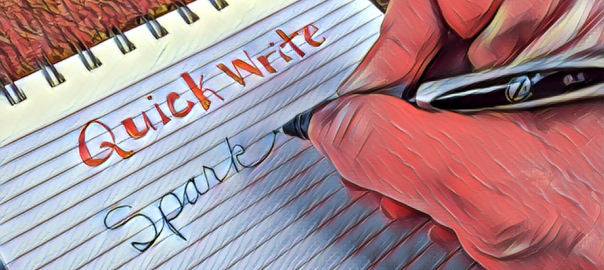
For the month of March I will be participating in the Slice of Life  Challenge sponsored by The Two Writing Teachers Blog. Each day I will be sharing a Quick Write as my way of slicing. The idea is to offer a SPARK that will kindle thinking and then write as quickly as you can for 5-10 minutes. No filters, no revisions. I’ve been curating a collection of Sparks and will share some with you all month. It’s a great way to ignite your writing life.
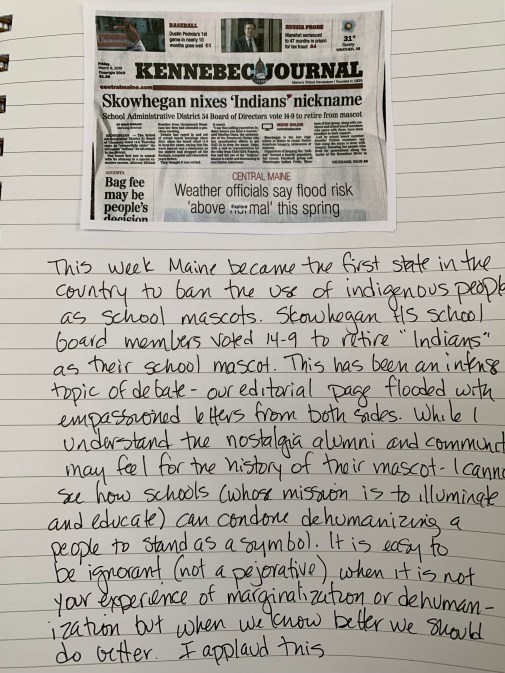
A variation on my Headlines Spark (March 13 Blog) is to quick write a poem-ish response to something currently going on in your world (at a macro or micro level). Writers can highlight words and phrases from newspapers, magazines, or primary sources and respond with their own thoughts and reflections as they process the events.
Classrooms can create a time capsule of docu-poetry to document events in their school year the way the characters in Laura Shovan’s book The Last Fifth Grade of Emerson Elementary do, or these could be personal collections to document their year in your classroom. These are not polished pieces, but quick writes. Students are always welcome to go back and revise if they choose, or they could keep them raw and in-the-moment responses.
Think about what a gift this could be to their future selves. What was happening when I was in 4th grade? I wish I had something like docu-poetry to get a primary source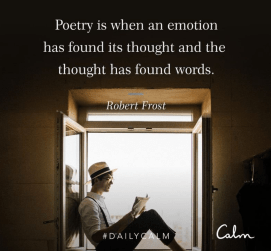 window into those past events.
Why poetry or poem-ish form? I love this quote from Robert Frost that was used in my Daily Calm meditation from yesterday that sums up the value of poetry in our lives:
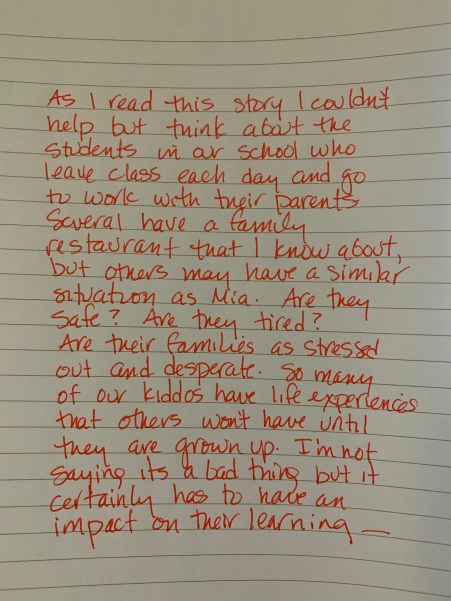
Here’s my quick write:


Clearly this isn’t polished poetry and there are a lot of revisions I would like to make before sharing it with you all, but this is what poured out in about 5 minutes. Kids won’t be able to write this fluently unless they have copious amounts of practice doing it. Anticipating that they will do a docu-poem a week can help them to notice and process events with a different lens, a more purposeful and compassionate lens. It is important not to critique or make suggestions, just accept all quick writes for what they are-a way to process our world with our own personal and human responses. It’s the PROCESS, not the PRODUCT that we need to honor.
Remember, “history” is made up of local and large events. You may want to stay away from controversy and focus on school or classroom news. Maybe your students can document personal and significant events in their own lives. You know your kids and what works.




 For the month of March I will be participating in the Slice of Life Challenge sponsored by
 For the month of March I will be participating in the Slice of Life Challenge sponsored by
 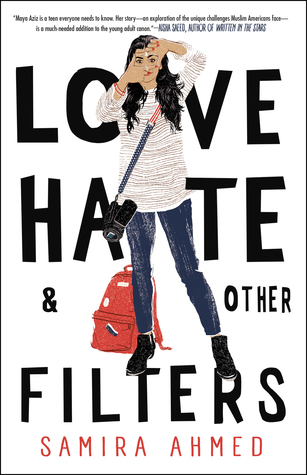 middle of reading Samira Ahmed’s debut YA novel this week when a white national terrorist murdered innocent Muslims in their mosque in New Zealand. This story took on a deeper and more relevant meaning immediately. 17 year old Maya Aziz was born in America to Indian immigrants and attends high school in Illinois. She has always felt a struggle between these two worlds. Her parents’ love is important to her, but their plans for her life do not align with her own goals and dreams. Just as she might be convincing them to let her pursue a career in film in NYC, a terrorist attacks a federal building in Springfield killing over 125 people. First reports claim it was a Muslim terrorist and Maya’s family is threatened and assaulted, but even when they realize the attacker is a white nationalist the ramifications of fear still haunt Maya’s family and threaten their dreams and even their lives. Throw in a high school romance of forbidden love and this book will connect with so many readers on a number of levels.


 For the month of March I will be participating in the Slice of Life Challenge sponsored by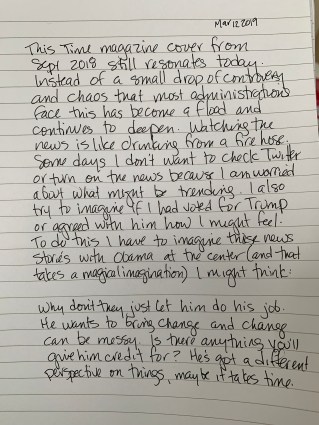

 litcoachlady